

Anti-Aging Research Peptides
The field of geroscience investigates the fundamental biological mechanisms that drive aging. This area of research is predicated on the hypothesis that targeting these core processes may elucidate the root causes of age-related functional decline across various physiological systems. Key areas of inquiry include understanding the roles of cellular senescence, telomere attrition, mitochondrial dysfunction, epigenetic alterations, and dysregulated intercellular communication. In the scientific literature, this research is critical for developing a comprehensive model of biological aging, distinct from the study of individual age-associated diseases. By using specific molecular tools, such as research peptides, investigators can probe the intricate signaling pathways that govern cellular lifespan and resilience. The insights gained from these preclinical studies are foundational for understanding the complex interplay of factors that contribute to the aging phenotype. All investigations in this domain are conducted for research purposes only, aiming to expand our basic scientific knowledge of life's most conserved biological processes.
Peptides in this research area
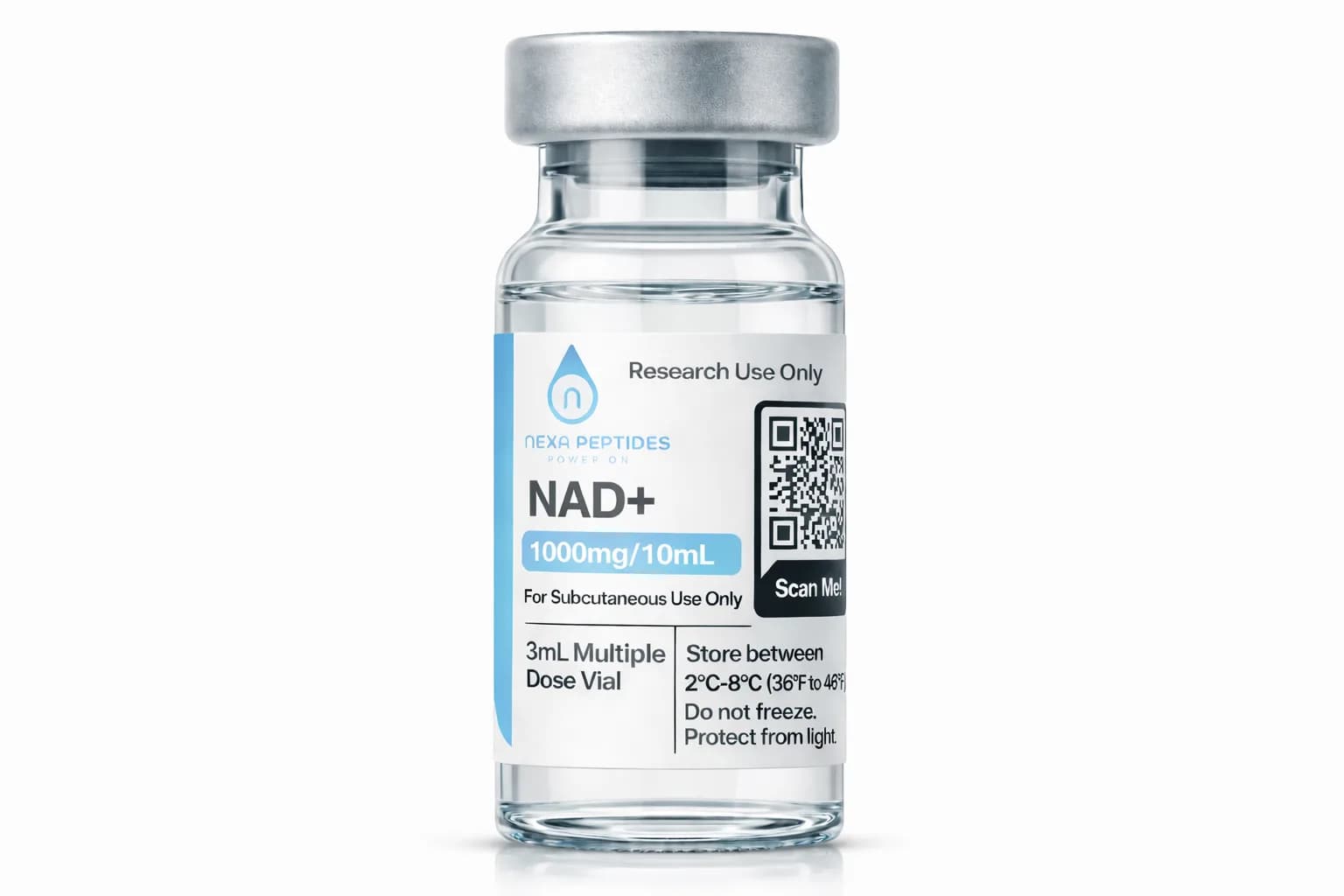

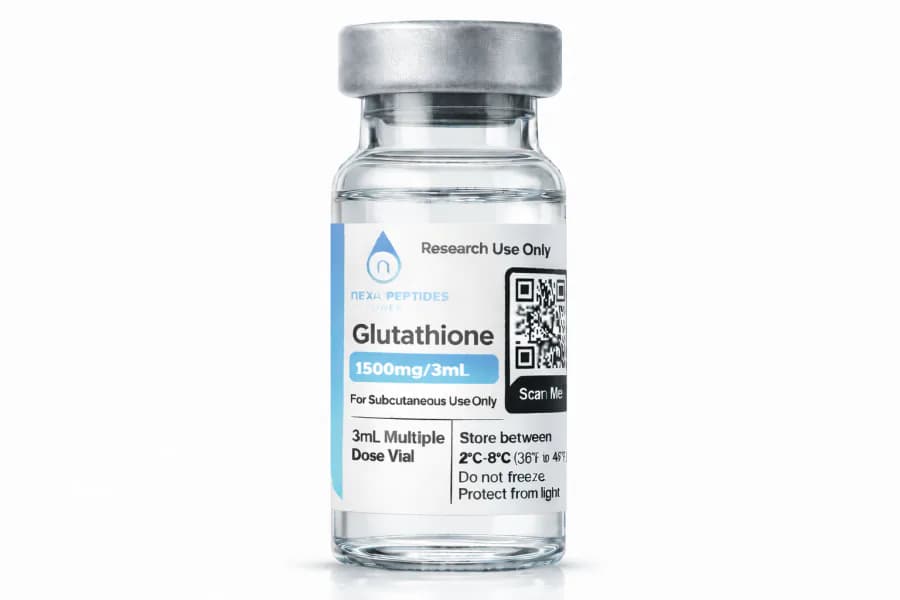
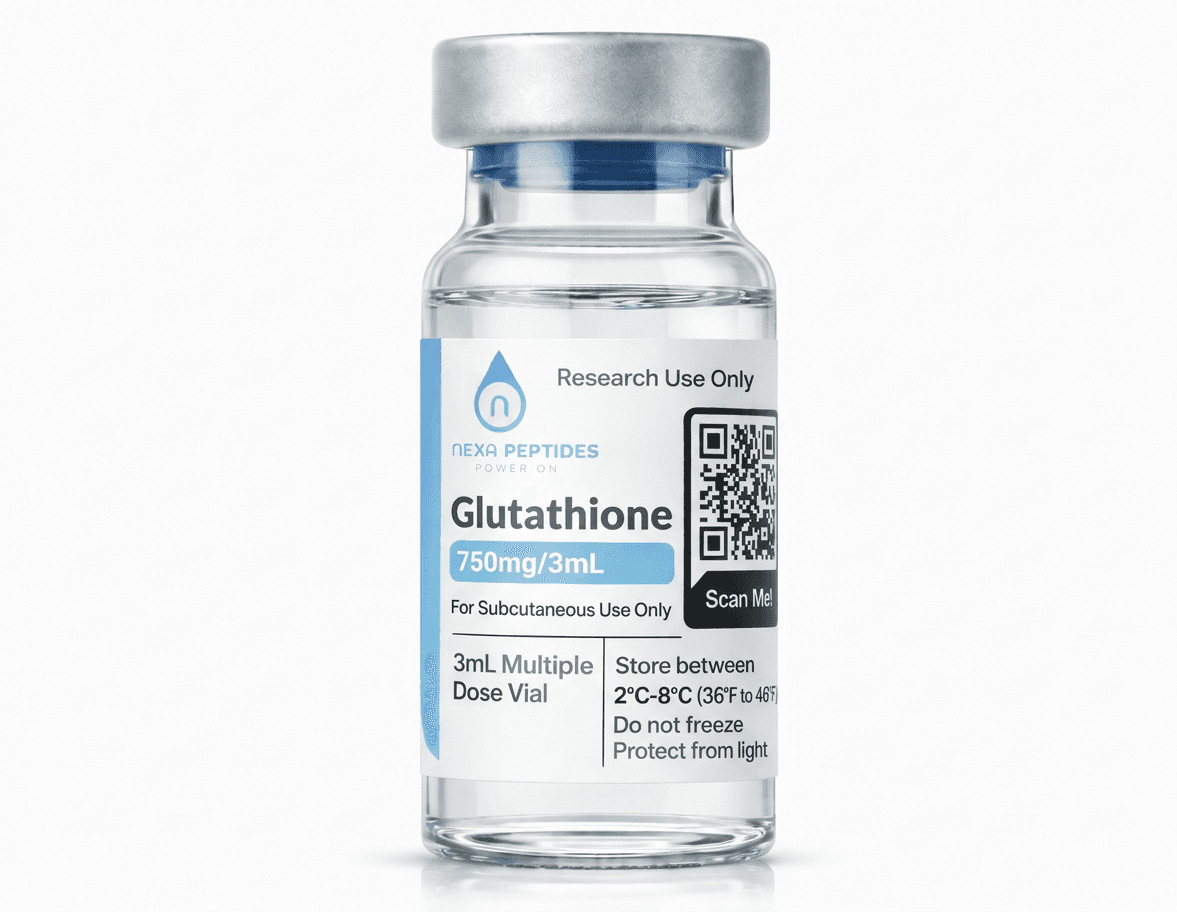

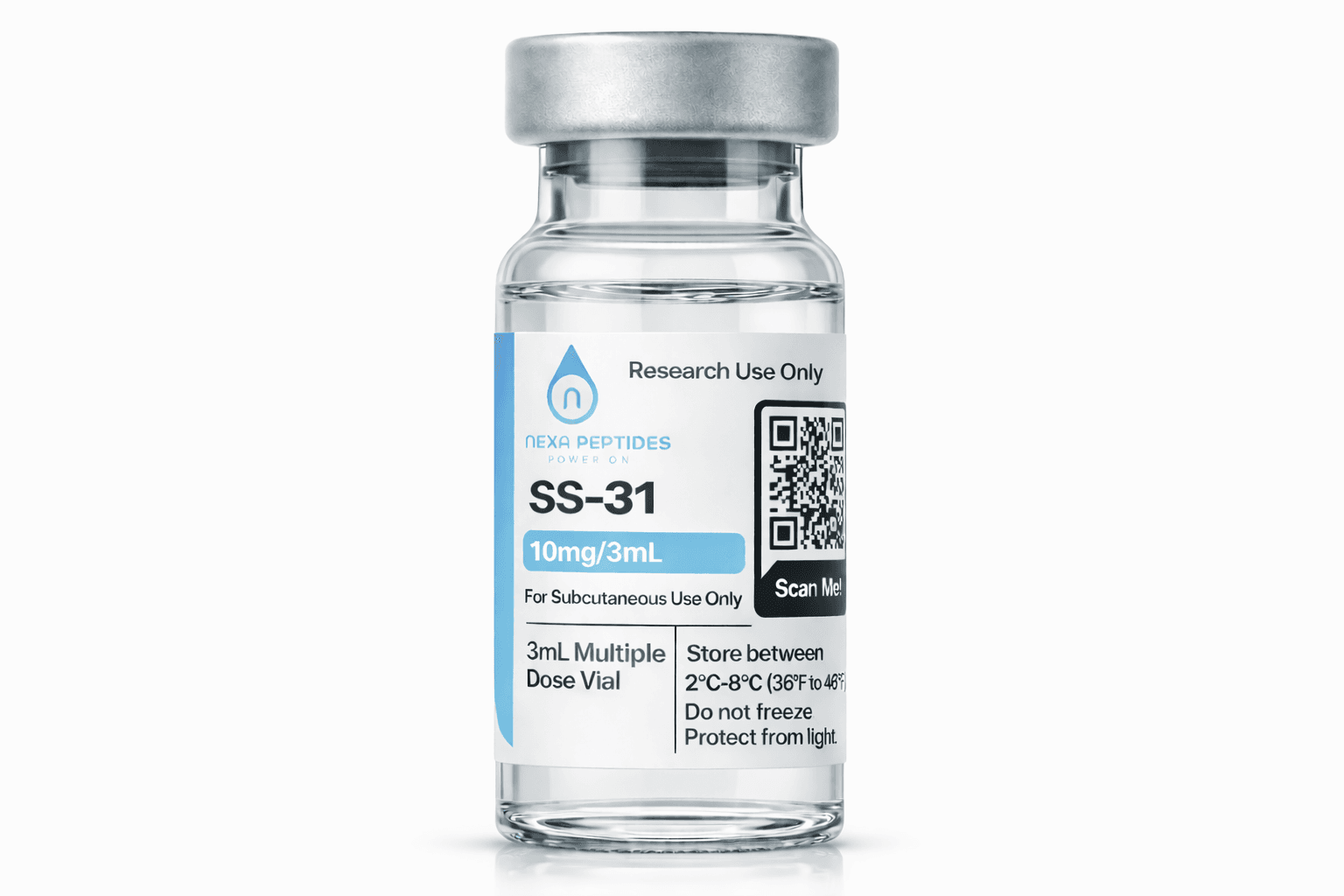
Research Overview
The molecular landscape of aging research is dominated by several interconnected signaling pathways. The insulin/IGF-1 signaling (IIS) and mammalian target of rapamycin (mTOR) pathways are central regulators of growth and metabolism. Downregulation of these pathways is one of the most conserved mechanisms for extending lifespan in model organisms from yeast to mammals. Conversely, the AMP-activated protein kinase (AMPK) and sirtuin (SIRT) pathways act as cellular energy sensors and stress responders. Activation of AMPK and sirtuins, particularly SIRT1, often promotes catabolic processes, enhances mitochondrial biogenesis, and improves cellular stress resistance, creating a pro-longevity state that counteracts IIS and mTOR signaling. Another critical area is the study of cellular senescence, a state of irreversible cell cycle arrest triggered by stressors like telomere shortening or DNA damage. Senescent cells accumulate with age and secrete a pro-inflammatory cocktail of cytokines and proteases known as the senescence-associated secretory phenotype (SASP), which can degrade tissue and promote age-related dysfunction. Understanding the p53 and p16/Rb pathways that govern entry into senescence is a major focus.
Preclinical research in geroscience relies on a well-established hierarchy of model systems. In vitro studies using primary cell cultures, such as human fibroblasts or endothelial cells, are essential for dissecting specific molecular mechanisms like replicative senescence or mitochondrial response to oxidative stress. Simple eukaryotes like the yeast *Saccharomyces cerevisiae* and the nematode *Caenorhabditis elegans* offer powerful genetic tractability and short lifespans, enabling high-throughput screening and the discovery of conserved longevity genes. The fruit fly, *Drosophila melanogaster*, provides a more complex model for studying the effects of aging on metabolism, immunity, and neuronal function. Ultimately, rodent models, particularly mice (e.g., C57BL/6) and rats, are indispensable for studying the systemic and organ-specific effects of aging in a mammalian system. Genetically engineered models, such as those with accelerated aging phenotypes, are also crucial for testing interventions that target specific hallmarks of aging.
Several categories of peptides have been synthesized for use as research tools to selectively modulate these pathways. Growth Hormone Secretagogues (GHS) are a class of peptides, including analogs of ghrelin (e.g., Ipamorelin) and GHRH (e.g., CJC-1295), which interact with the GHS-R1a and GHRH-R, respectively. They are used to investigate the role of the GH/IGF-1 axis in age-related changes to body composition, cell repair, and metabolism. Another major class is senolytic peptides, such as FOXO4-DRI, which are designed to selectively induce apoptosis in senescent cells by disrupting specific protein-protein interactions (e.g., FOXO4 and p53), allowing researchers to study the direct consequences of clearing these cells in aged tissues. Mitochondrial-targeted peptides, like SS-31, contain a sequence motif that causes them to accumulate within mitochondria, where they can be studied for their effects on mitigating oxidative damage and restoring mitochondrial function. Lastly, peptides derived from thymic hormones, such as Thymosin Alpha-1, are used to explore the mechanisms of immunosenescence, the age-related decline in immune system efficacy.
Despite significant progress, many fundamental questions remain unanswered in the field. A primary challenge is understanding the long-term, systemic consequences of chronically modulating core metabolic pathways like mTOR or the GH/IGF-1 axis. While beneficial in some contexts, their roles in processes like immune response and tissue repair are complex and require further elucidation. The tissue-specificity of senescent cell clearance is another critical area; researchers are investigating whether removing senescent cells from one tissue confers benefits without causing unforeseen detriments in another. The crosstalk between different hallmarks of aging—for instance, how mitochondrial dysfunction drives cellular senescence or how epigenetic drift influences proteostasis—is an area of intense investigation. Finally, optimizing the biochemical properties of research peptides, such as their in vivo stability and target engagement, remains a key methodological challenge to ensure the generation of precise and reproducible data in preclinical models.