

Recovery Research Peptides
The field of recovery research investigates the complex biological processes underlying cellular repair, tissue regeneration, and the restoration of physiological homeostasis following induced stress or injury in experimental models. This area is critical for elucidating the fundamental mechanisms that govern healing in tissues such as muscle, tendon, nerve, and bone. Researchers utilize specific peptides as molecular tools to probe signaling pathways, modulate cellular behavior, and understand how endogenous systems respond to damage. By studying these interactions in controlled in vitro and in vivo settings, scientists aim to map the intricate network of growth factors, cytokines, and extracellular matrix components that orchestrate the recovery process. The insights gained from this research are foundational to molecular biology, providing a deeper understanding of cellular resilience and repair. All compounds discussed are intended strictly for laboratory research purposes to investigate these mechanisms and are not for therapeutic or human use.
Peptides in this research area
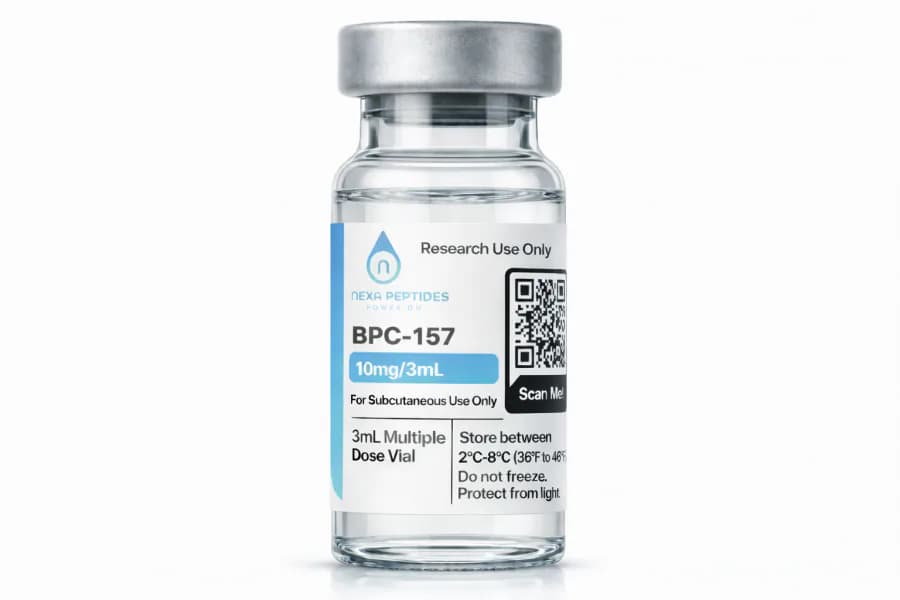
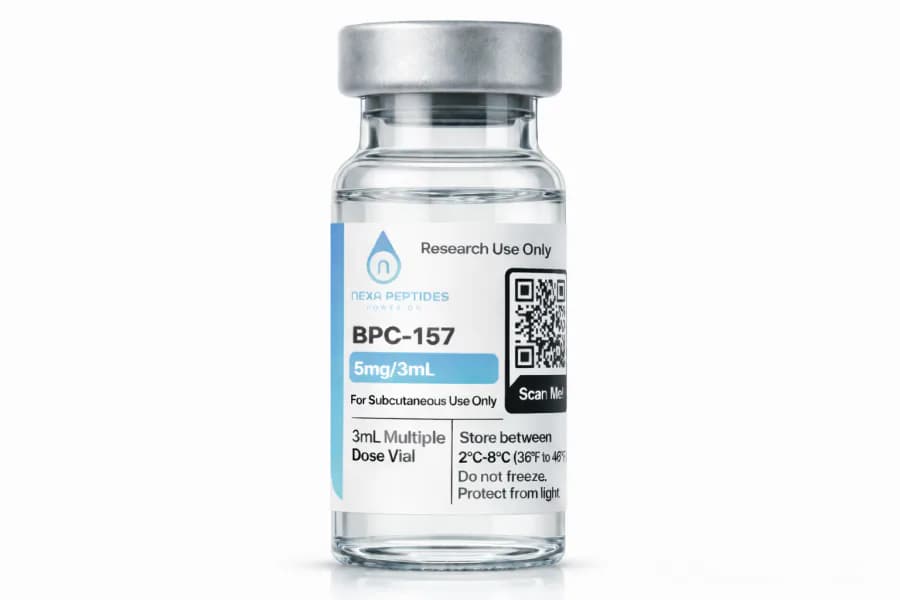
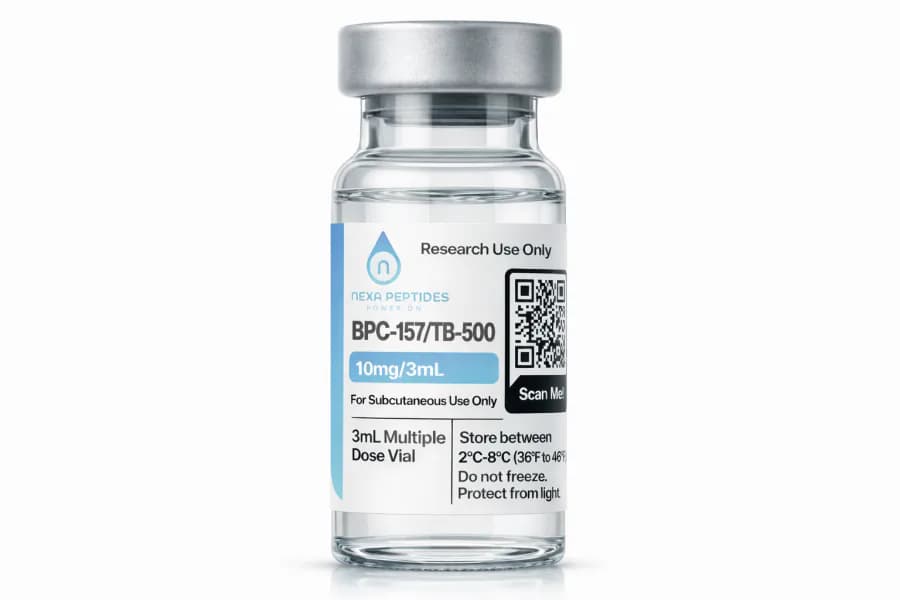
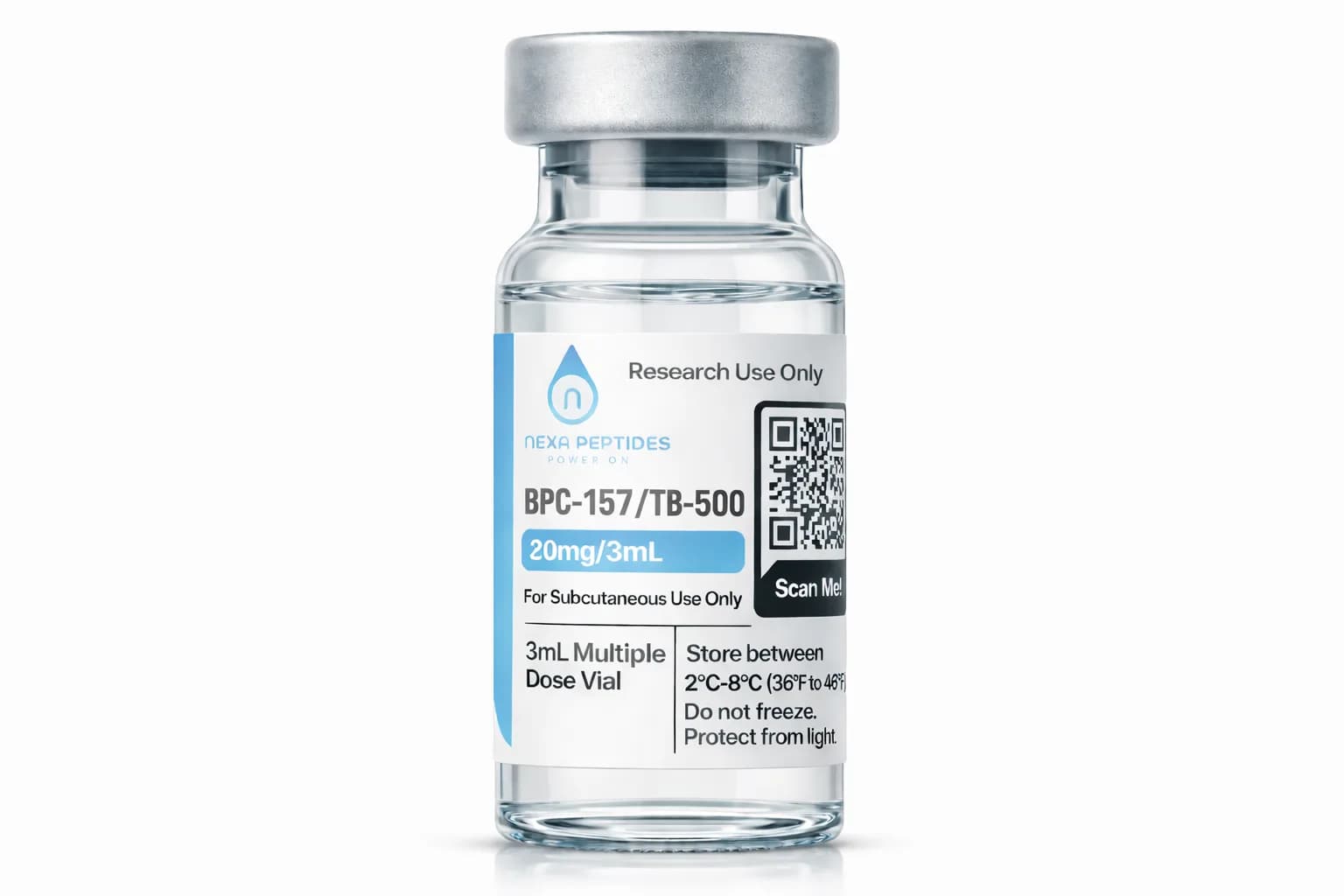
Research Overview
The molecular investigation of recovery mechanisms hinges on several key biological pathways and receptors. A central focus is the growth hormone (GH) / insulin-like growth factor-1 (IGF-1) axis. Growth hormone secretagogues (GHSs), such as Ipamorelin or Tesamorelin analogs, are studied for their ability to bind to the growth hormone secretagogue receptor (GHSR1a) in the pituitary and hypothalamus. This interaction stimulates the pulsatile release of endogenous GH, which in turn promotes hepatic production of IGF-1. In peripheral tissues, IGF-1 activates the PI3K/Akt/mTOR pathway, a critical signaling cascade that promotes protein synthesis, cell proliferation, and differentiation while inhibiting apoptosis. Researchers use these peptides to explore the downstream effects of activating this axis in models of muscle atrophy or injury.
Angiogenesis, the formation of new blood vessels, is another cornerstone of tissue repair, as it is essential for delivering oxygen, nutrients, and immune cells to the damaged site. Peptides such as BPC 157 and the Thymosin Beta-4 fragment TB-500 are investigated for their potential effects on this process. Research models suggest these peptides may upregulate the expression of Vascular Endothelial Growth Factor (VEGF), a potent mitogen for endothelial cells. The interaction of VEGF with its receptors (VEGFRs) triggers signaling cascades that lead to endothelial cell migration, proliferation, and tube formation. Concurrently, modulating inflammatory responses is crucial. The initial inflammatory phase clears debris, but a prolonged or excessive response can impair healing. Studies explore how certain peptides may influence cytokine profiles, potentially downregulating pro-inflammatory cytokines like TNF-α and IL-6 while promoting an anti-inflammatory environment conducive to tissue remodeling.
Preclinical research in this area relies on a variety of well-established models. In vitro studies using primary cell cultures (e.g., myoblasts, fibroblasts, chondrocytes) or cell lines (e.g., C2C12 myoblasts) allow for precise examination of molecular mechanisms, such as receptor binding affinity, signal transduction, and gene expression changes in a highly controlled environment. Ex vivo models, utilizing tissue explants like tendons or muscle fibers cultured outside the organism, bridge the gap between cell culture and whole-animal studies. The most common platforms are in vivo rodent models. Musculoskeletal injury is often modeled via Achilles tendon transection, muscle crush injury, or surgically induced osteoarthritis in rats or mice. To study recovery from ischemic events, researchers employ models like middle cerebral artery occlusion (MCAO) for stroke or coronary artery ligation for myocardial infarction. These models enable the assessment of functional recovery, histological changes, and biomarker expression in response to the administration of a research peptide.
Several categories of peptides are prominent in this research. Growth Hormone Secretagogues (GHSs) represent a class that targets the GH/IGF-1 axis. Body Protection Compounds, exemplified by BPC 157, are synthetic fragments whose mechanisms are under intense investigation but appear to involve multi-faceted roles in angiogenesis, cell migration, and modulation of the nitric oxide system. Thymosin-derived peptides, like the active fragment of Thymosin Beta-4 (TB-500), are primarily studied for their interaction with actin, which plays a key role in cell motility, and their effects on endothelial cell differentiation and inflammation. Lastly, modulators of the melanocortin system, acting on receptors like MC3R and MC4R, are explored for their roles in metabolism and immunomodulation, which are integral to systemic recovery processes.
Despite significant progress, several open questions remain. For many peptides, particularly those with pleiotropic effects like BPC 157, the primary high-affinity receptor and complete downstream signaling pathways are not fully elucidated. Understanding dose-dependency, receptor specificity, and potential off-target effects across different cell types is a major goal. The translational gap between promising results in rodent models and their applicability to larger, more complex biological systems remains a challenge, highlighting the need to investigate inter-species differences in peptide pharmacokinetics and receptor pharmacology. Furthermore, optimizing peptide stability and developing novel delivery systems (e.g., hydrogels, nanoparticles) for localized, sustained release at a target site is an active area of materials science research. Finally, elucidating the complex synergistic or antagonistic interactions between these peptides and endogenous repair factors is critical for designing rigorous and informative experimental protocols.