

Sexual Health Research Peptides
The investigation of sexual health research peptides is a specialized field focused on elucidating the complex neuroendocrine and physiological pathways that govern sexual arousal and function. For laboratory researchers, this area provides critical tools to probe the intricate interplay between central nervous system signaling and peripheral vascular responses. By utilizing synthetic peptide analogs that target specific receptors, such as those in the melanocortin system, investigators can dissect the molecular mechanisms underlying sexual motivation and performance in preclinical models. This research is vital for advancing the fundamental understanding of sexual biology, identifying novel biochemical targets, and characterizing signaling cascades from the hypothalamus to end-organ tissues. The insights gained are foundational for the broader fields of neuropharmacology and endocrinology, contributing significantly to the scientific literature on neuropeptide function. All compounds discussed in this context are strictly intended for in vitro and in vivo research applications and are not for human use.
Peptides in this research area
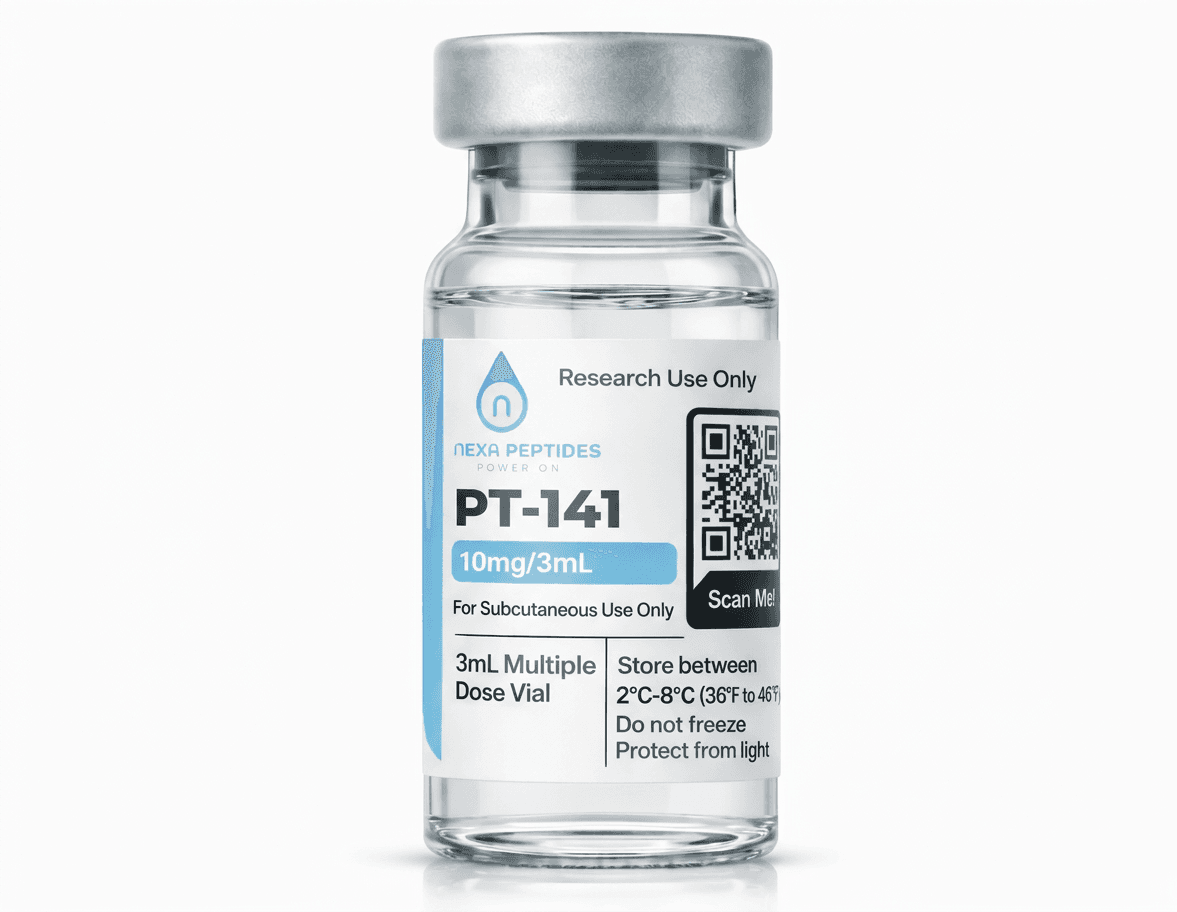
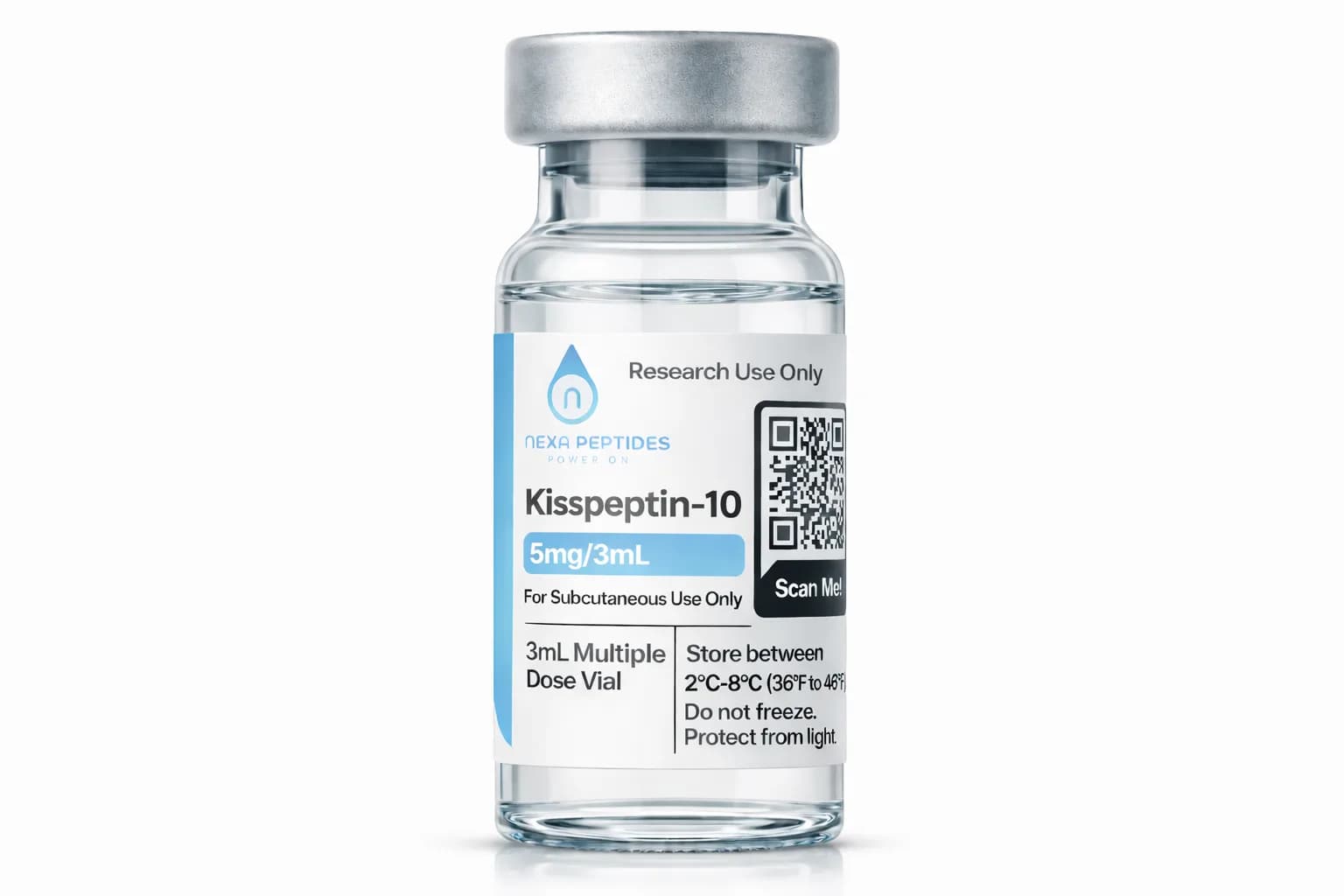
Research Overview
A central focus of sexual health peptide research is the melanocortin signaling pathway, a critical regulator of numerous physiological processes, including energy homeostasis, pigmentation, and sexual function. Specifically, the melanocortin-3 and melanocortin-4 receptors (MC3R and MC4R), G-protein coupled receptors predominantly expressed in the central nervous system, are key targets. Agonism of these receptors, particularly within hypothalamic nuclei like the paraventricular nucleus (PVN), initiates downstream signaling cascades that modulate autonomic pathways. Activation of MC4R, for example, is hypothesized to trigger the release of oxytocin and engage descending oxytocinergic and dopaminergic neurons that project to the spinal cord. This central stimulation ultimately promotes the activation of the peripheral nitric oxide (NO) synthase pathway in vascular endothelial cells and non-adrenergic, non-cholinergic (NANC) nerve terminals. The resulting increase in NO leads to the activation of soluble guanylate cyclase, elevating cyclic guanosine monophosphate (cGMP) levels in smooth muscle cells and causing vasodilation, a key physiological event in sexual arousal.
Preclinical investigation of these mechanisms relies on well-established animal and ex vivo models. Rodent models, primarily rats and mice, are extensively used to assess behavioral endpoints. For male subjects, standardized assays include the measurement of mounting frequency, intromission latency, and ejaculatory latency following peptide administration via intracerebroventricular (ICV) or systemic routes. For female subjects, receptive behaviors such as the lordosis posture are quantified. These behavioral studies provide a systemic overview of a peptide's pro-sexual effects. To investigate peripheral mechanisms directly, researchers employ ex vivo organ bath techniques. Tissue strips from the corpus cavernosum are mounted in a myograph, allowing for the direct measurement of isometric tension. This model enables the characterization of a peptide's ability to induce smooth muscle relaxation or potentiate relaxation induced by electrical field stimulation, providing direct evidence of its vascular effects independent of central signaling.
Several categories of peptides have been synthesized for these research applications, with melanocortin receptor agonists being the most prominent. Bremelanotide (PT-141), a synthetic analog of alpha-melanocyte-stimulating hormone (α-MSH) and a metabolite of Melanotan II, is a potent agonist at MC3R and MC4R. Its mechanism is primarily central, and it has been a key tool for elucidating the role of these receptors in sexual function. Melanotan II is another α-MSH analog with a broader binding profile, exhibiting high affinity for MC1R, MC3R, MC4R, and MC5R. While effective in research models, its activation of MC1R leads to increased pigmentation, an off-target effect that distinguishes it from more selective agonists. Beyond melanocortins, peptides such as Oxytocin and its analogs are studied for their role in social bonding and sexual receptivity, while Kisspeptin, a critical regulator of the hypothalamic-pituitary-gonadal (HPG) axis, is being investigated for its potential influence on sexual motivation.
Despite significant progress, several open questions remain in the field. The precise downstream intracellular signaling events that follow MC4R activation in the hypothalamus and lead to pro-erectile autonomic outflow are not fully mapped. Understanding the molecular basis of sexual dimorphism in response to these peptides is another critical area; it is unclear whether observed differences in efficacy between male and female models stem from receptor density, downstream signaling, or hormonal modulation. The potential for receptor desensitization and tachyphylaxis following chronic administration in long-term studies is a significant concern that requires further investigation into the dynamics of GPCR internalization and recycling in relevant neuronal populations. Finally, exploring potential synergistic effects through the co-administration of peptides targeting distinct pathways—for example, combining a melanocortin agonist with a dopamine receptor modulator—represents a frontier for dissecting the complex, multi-faceted neurochemical control of sexual behavior.