

Nootropic Research Peptides
The investigation of nootropic peptides represents a focused subfield of neuroscience aimed at elucidating the molecular mechanisms that underpin cognitive functions such as memory, learning, and attention. This research area explores how specific peptide sequences can modulate neuronal signaling, synaptic plasticity, and neurogenesis. In the scientific literature, this work is critical for mapping the complex interplay between neuropeptides and fundamental cognitive processes. By utilizing these compounds as research tools in controlled laboratory settings, investigators can probe the roles of specific receptors and signaling cascades, such as the glutamatergic and neurotrophic pathways. The ultimate goal of this preclinical research is not therapeutic application, but rather to build a more granular understanding of the neurobiology of cognition. These studies provide valuable insights into the biochemical basis of synaptic efficiency and network-level information processing, contributing foundational knowledge to the broader fields of neuropharmacology and cognitive science. All compounds are intended for research use only.
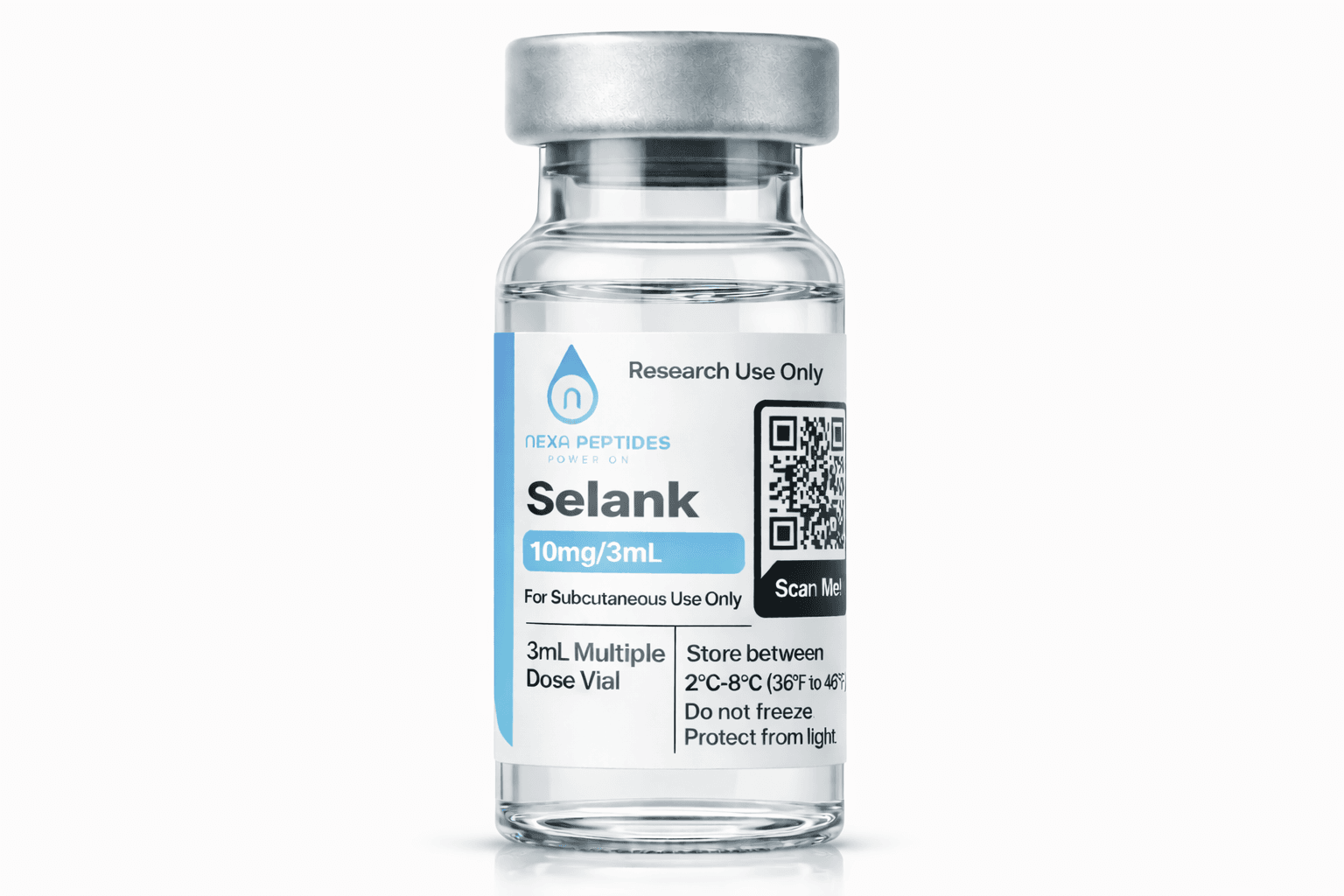
Peptides in this research area

Research Overview
The biochemical landscape of nootropic peptide research is centered on several critical biological pathways and receptors that govern synaptic function and neuronal health. A primary focus is the glutamatergic system, particularly the N-methyl-D-aspartate (NMDA) and α-amino-3-hydroxy-5-methyl-4-isoxazolepropionic acid (AMPA) receptors. These ionotropic receptors are fundamental to long-term potentiation (LTP), a cellular correlate of learning and memory. Peptides that act as positive allosteric modulators of AMPA receptors (ampakines) are investigated for their ability to enhance synaptic transmission and facilitate LTP induction. Another pivotal pathway is neurotrophin signaling, mediated by factors like Brain-Derived Neurotrophic Factor (BDNF) and its receptor, Tropomyosin receptor kinase B (TrkB). Activation of the TrkB receptor initiates downstream cascades, including the MAPK/ERK and PI3K/Akt pathways, which are essential for promoting neuronal survival, neurite outgrowth, and synaptic plasticity. Research peptides designed as TrkB agonists are used to dissect these neuroprotective and synaptogenic mechanisms.
Preclinical evaluation of these peptides relies on a well-established hierarchy of experimental models. In vitro studies often employ primary neuronal cultures or hippocampal slice preparations to directly measure effects on synaptic activity, such as excitatory postsynaptic potentials (EPSPs) and LTP. These models allow for precise control over the cellular environment and detailed electrophysiological analysis. For assessing neuroprotective properties, cell lines like the human neuroblastoma SH-SY5Y line are used in assays involving induced oxidative stress or excitotoxicity. In vivo research predominantly utilizes rodent models. Cognitive function is assessed through a battery of behavioral tests, including the Morris water maze for spatial learning and memory, the novel object recognition test for recognition memory, and the radial arm maze for working memory. To model cognitive deficits, researchers may use pharmacological challenges (e.g., scopolamine-induced amnesia) or genetic models of neurodegeneration.
Several categories of peptides have been synthesized and studied for their potential to modulate these systems. One major class includes analogues of endogenous neuropeptides, such as fragments of adrenocorticotropic hormone (ACTH) or melanocyte-stimulating hormone (MSH). These peptides are thought to influence attention and stress-response pathways. A second category consists of neurotrophic factor mimetics, which are smaller peptide sequences designed to activate neurotrophin receptors like TrkB, bypassing the delivery challenges of large protein factors. A third group includes di- and tripeptide derivatives, such as those derived from the N-terminal of insulin-like growth factor 1 (IGF-1), which have been investigated for their neuroprotective effects and ability to cross the blood-brain barrier. Finally, peptides that modulate the glutamatergic system, including racetam-derived compounds and ampakines, form another significant area of investigation focused directly on enhancing synaptic efficacy.
Despite progress, several open questions remain at the forefront of the field. A persistent challenge is quantifying and improving peptide penetration across the blood-brain barrier (BBB) and ensuring stability in biological systems. Research into novel delivery vectors and chemical modifications to enhance CNS bioavailability is ongoing. Delineating the full mechanism of action and identifying potential off-target effects is another critical area; understanding the complete downstream signaling profile is essential for interpreting experimental results accurately. Furthermore, the long-term consequences of chronically modulating key cognitive pathways are not well understood. Investigating how sustained activation of systems like the BDNF/TrkB pathway affects neuronal network homeostasis is a crucial next step. Finally, bridging the translational gap between findings in rodent models and the complex neurobiology of higher-order species remains a fundamental challenge for the field.