

Skin Regeneration Research Peptides
The study of skin regeneration peptides encompasses the investigation of short-chain amino acid sequences that modulate the complex cellular and molecular processes of cutaneous wound healing and tissue repair. This research is critical for elucidating the fundamental biological mechanisms governing cell migration, proliferation, differentiation, inflammation, and extracellular matrix (ECM) remodeling. In the scientific literature, this field contributes significantly to our understanding of how endogenous signaling molecules can be mimicked or modulated to influence tissue homeostasis. Researchers utilize these peptides in controlled in vitro and in vivo models to dissect signaling pathways, such as those governed by growth factors like TGF-β and VEGF, and to explore their effects on fibroblasts, keratinocytes, and endothelial cells. These investigations, conducted strictly for research use only, aim to uncover novel insights into the intricate orchestration of skin repair, providing a foundation for future inquiries in tissue engineering and regenerative biology, without implying any therapeutic application.
Peptides in this research area
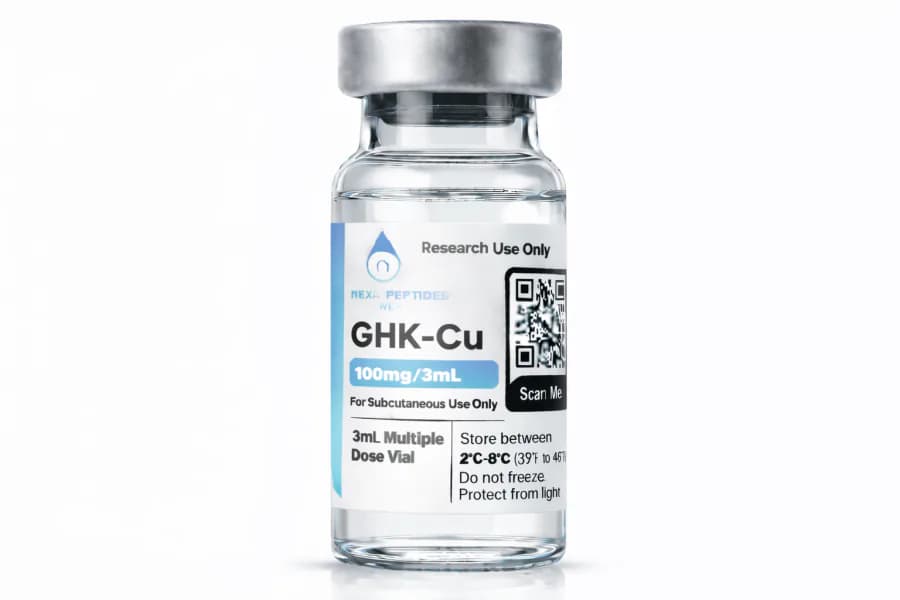
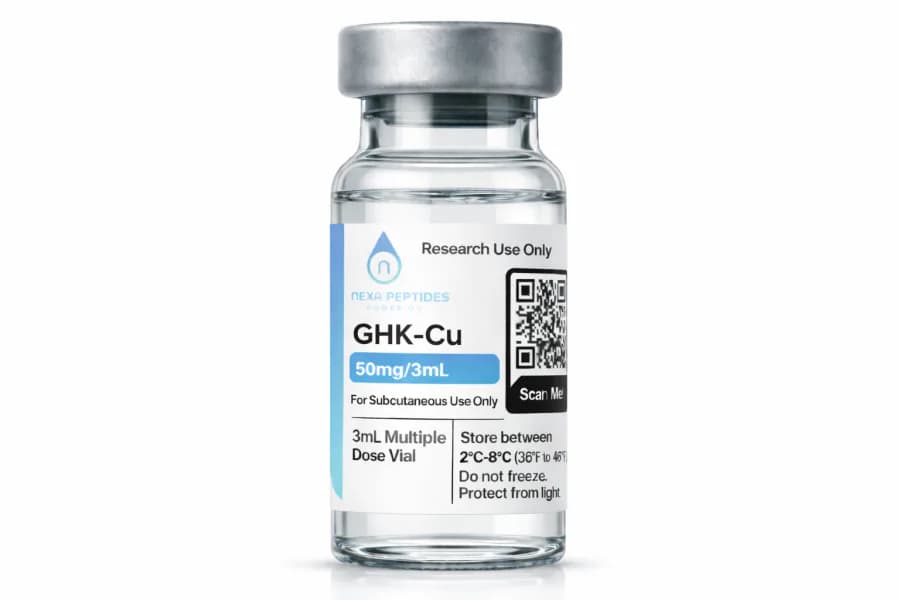
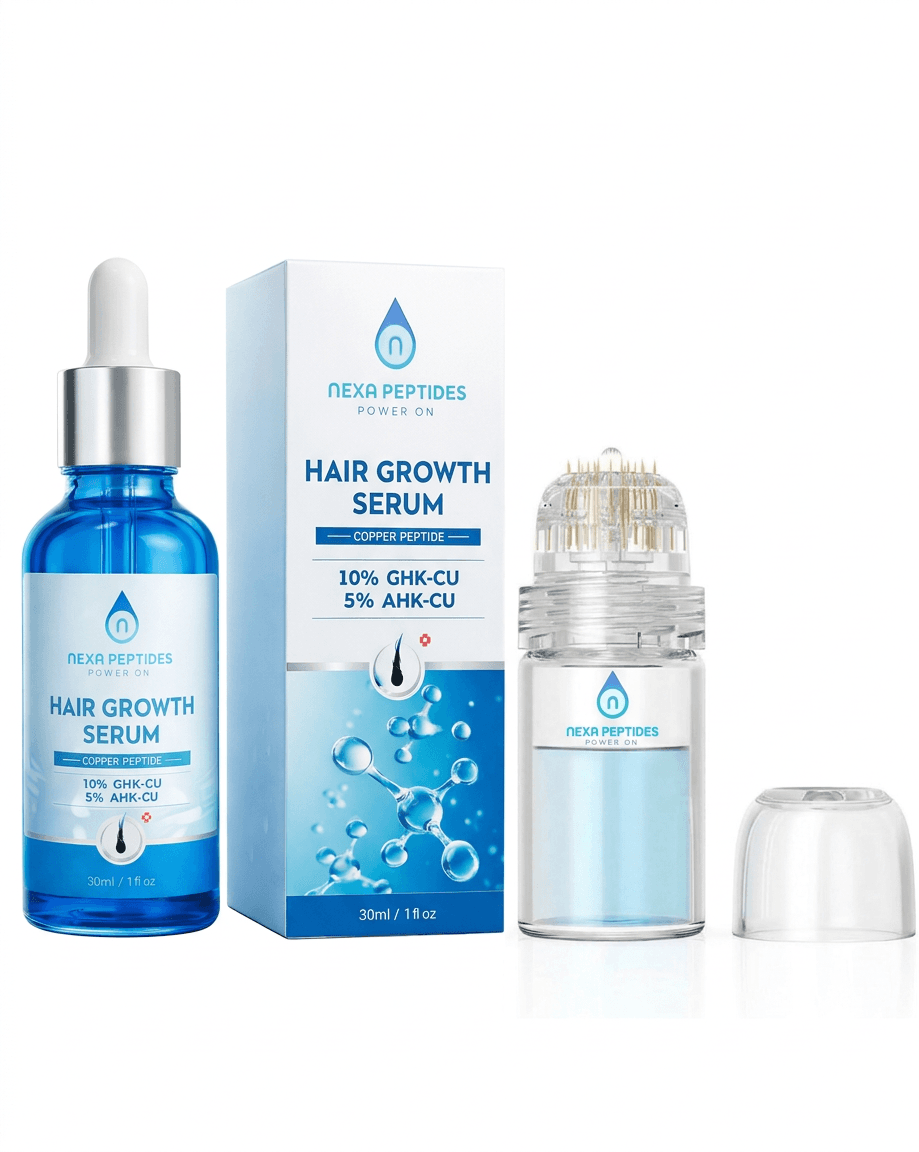
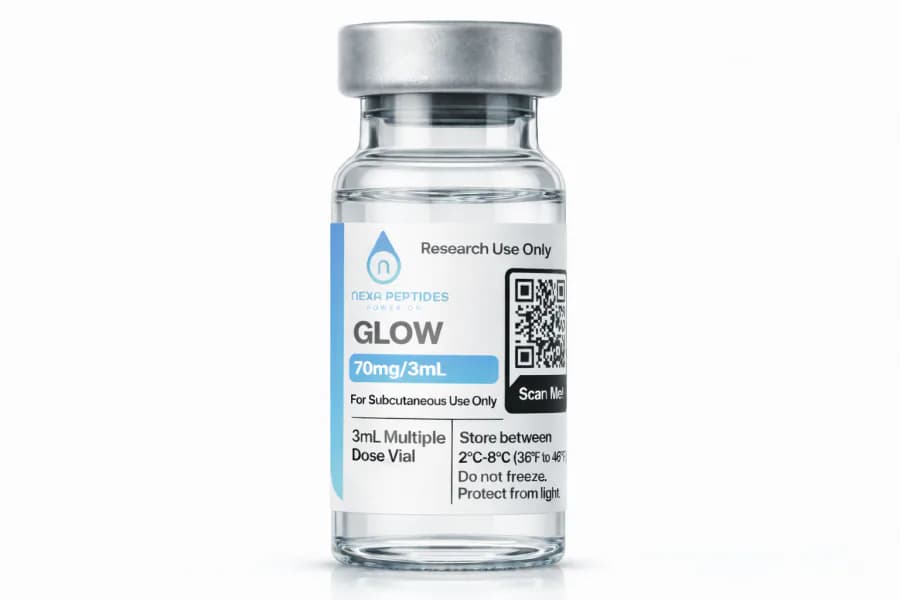
Research Overview
A central focus of skin regeneration research is the modulation of key biological signaling pathways. The Transforming Growth Factor-beta (TGF-β)/Smad pathway is paramount, as TGF-β isoforms are critical regulators of fibroblast proliferation and collagen synthesis, influencing scar formation. Similarly, the Mitogen-Activated Protein Kinase (MAPK) cascades—including ERK, JNK, and p38 pathways—and the PI3K/Akt pathway are extensively studied for their roles in mediating cellular responses to growth factors like Epidermal Growth Factor (EGF) and Fibroblast Growth Factor (FGF). Receptors such as EGFR, FGFR, and VEGFR are common targets for peptide-based ligands. Furthermore, research delves into the regulation of ECM dynamics, investigating how peptides influence the balance between Matrix Metalloproteinases (MMPs), which degrade matrix components, and their Tissue Inhibitors of Metalloproteinases (TIMPs). This balance is crucial for the proper remodeling of dermal architecture during healing.
To investigate these mechanisms, researchers employ a range of preclinical models. In vitro studies commonly utilize primary cell cultures, such as human dermal fibroblasts (HDFs), keratinocytes, and human umbilical vein endothelial cells (HUVECs). Assays like the scratch wound assay are used to quantify cell migration, while proliferation is often measured via BrdU incorporation or cell counting. More sophisticated 3D models, including organotypic skin equivalents or bioprinted skin constructs, offer a more physiologically relevant environment to study cell-cell and cell-matrix interactions. For in vivo analysis, the full-thickness excisional wound model in rodents (e.g., C57BL/6 or BALB/c mice) is a standard. To distinguish true regeneration from wound contraction, splinted wound models are often employed. Specialized models, such as diabetic mice (e.g., db/db) or aged mice, are used to study peptide effects in the context of compromised healing environments.
Several categories of peptides are under investigation. Matrikines, such as the well-studied GHK-Cu (Glycyl-L-Histidyl-L-Lysine-Copper), are bioactive fragments of ECM proteins that can signal to cells to stimulate collagen deposition and modulate inflammation. Growth factor mimetics are synthetic peptides designed to replicate the active domain of larger protein growth factors, potentially offering greater stability and specificity. For instance, fragments of Vascular Endothelial Growth Factor (VEGF) have been studied for their pro-angiogenic properties. Thymosin Beta-4 (TB-500) and its fragments are investigated for their role in promoting cell migration and actin cytoskeleton dynamics. Another category includes Body Protection Compounds like BPC-157, a pentadecapeptide whose mechanisms are explored in relation to angiogenesis and growth factor receptor expression. Lastly, certain antimicrobial peptides (AMPs) are researched for their dual role in preventing infection and modulating the host immune response during healing.
Despite significant progress, several open questions remain in the field. The precise downstream signaling effects of many peptides are not fully elucidated; identifying the specific receptor interactions and subsequent phosphorylation events is an ongoing effort. A major technical challenge is peptide delivery and stability within the protease-rich environment of a wound. Consequently, research into advanced delivery systems, such as hydrogels, nanoparticles, and microneedle arrays, is an active area. The potential for synergistic effects when combining different peptides is another frontier, requiring complex experimental designs to deconvolve their interactions. Finally, bridging the translational gap between rodent models and human skin physiology remains a challenge, driving the development of more predictive humanized mouse models and advanced 3D in vitro systems to better evaluate peptide efficacy and mechanism of action for research purposes.