

Tissue Repair Peptides for Research
The investigation of tissue repair peptides represents a significant frontier in regenerative biology and molecular medicine research. This field explores how short-chain amino acid sequences, both naturally derived and synthetically designed, can modulate the complex cellular and molecular cascades integral to healing and tissue homeostasis. Researchers in this area aim to elucidate the precise mechanisms by which these peptides influence cell proliferation, migration, differentiation, and inflammation following injury. The scientific importance lies in uncovering fundamental biological processes, from angiogenesis and extracellular matrix remodeling to the regulation of growth factor signaling. By studying these compounds in controlled preclinical models, investigators can dissect intricate signaling pathways, identify novel molecular targets, and develop sophisticated tools for probing the body's innate regenerative capabilities. This research is critical for advancing our understanding of wound healing, ischemic injury recovery, and the management of degenerative conditions, all within a strictly investigational, non-therapeutic context.
Peptides in this research area
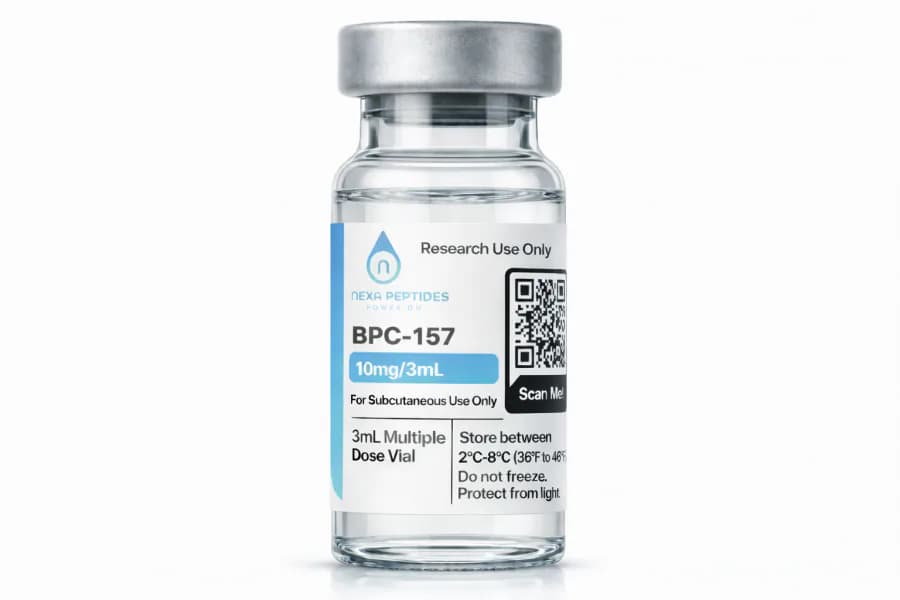
Recovery
BPC-157 - 10mg
$70.00
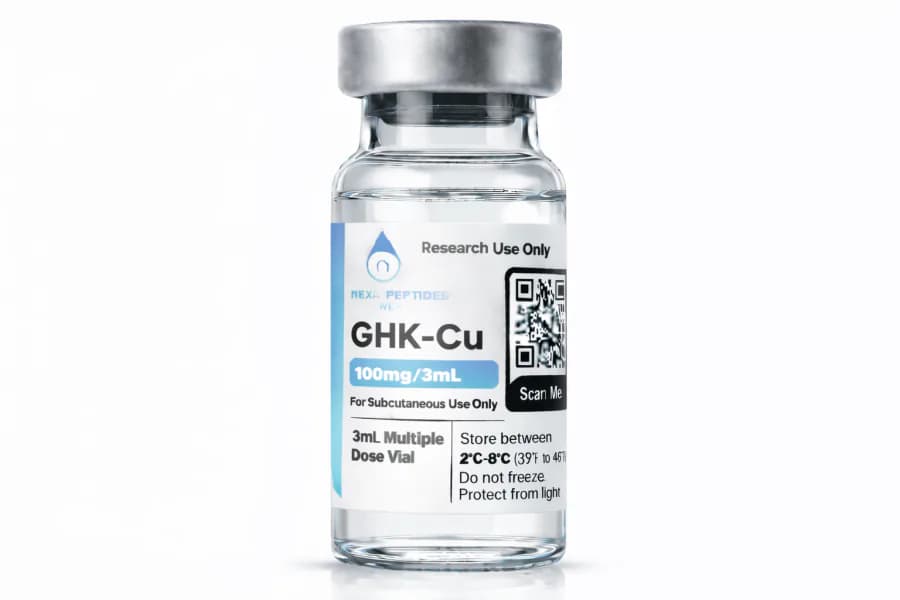
Skin & Hair
GHK-CU 100mg
$65.00
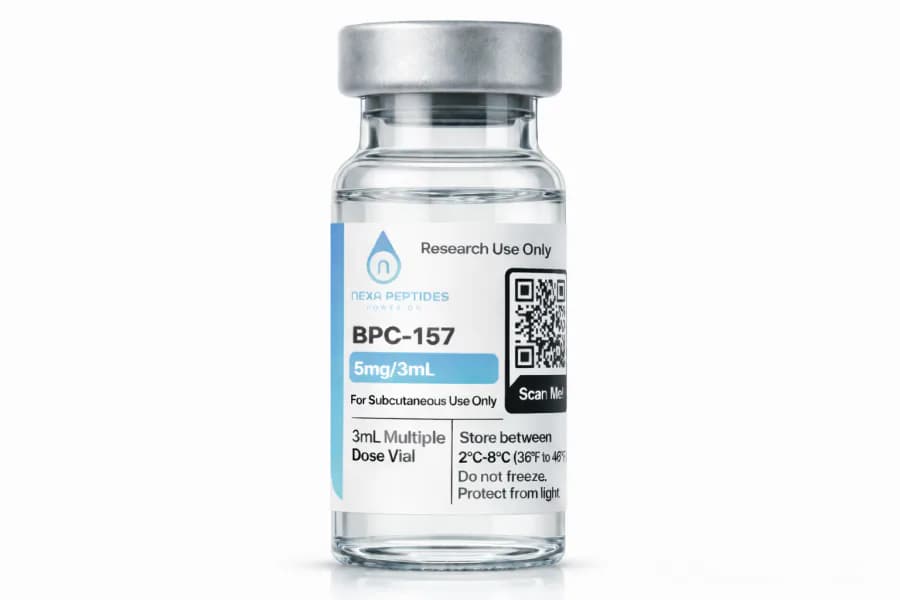
Recovery
BPC-157 - 5mg
$40.00
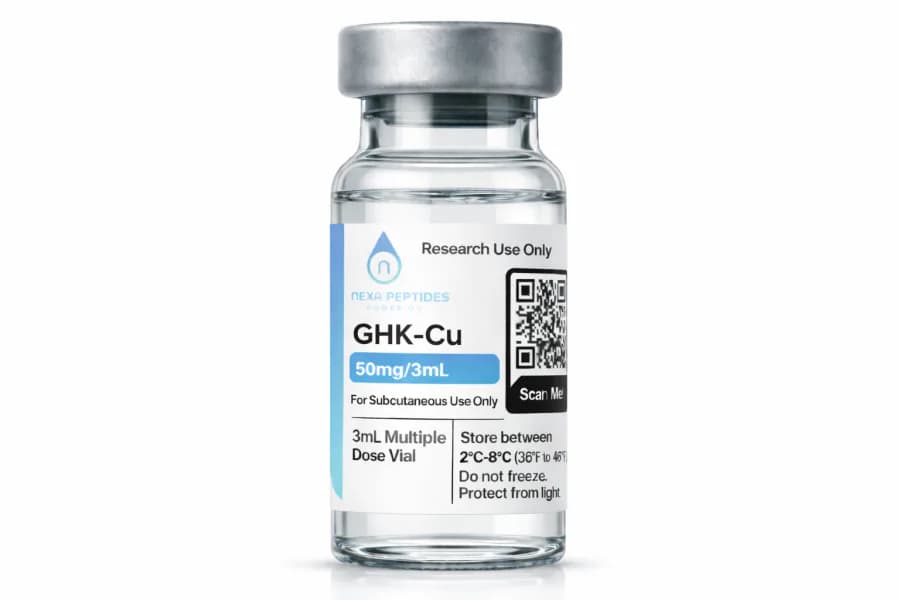
Skin & Hair
GHK-CU 50mg
$40.00

Skin & Hair
GHK-Cu / AHK-Cu Hair Serum W/ Micro-Needle Kit
$60.00
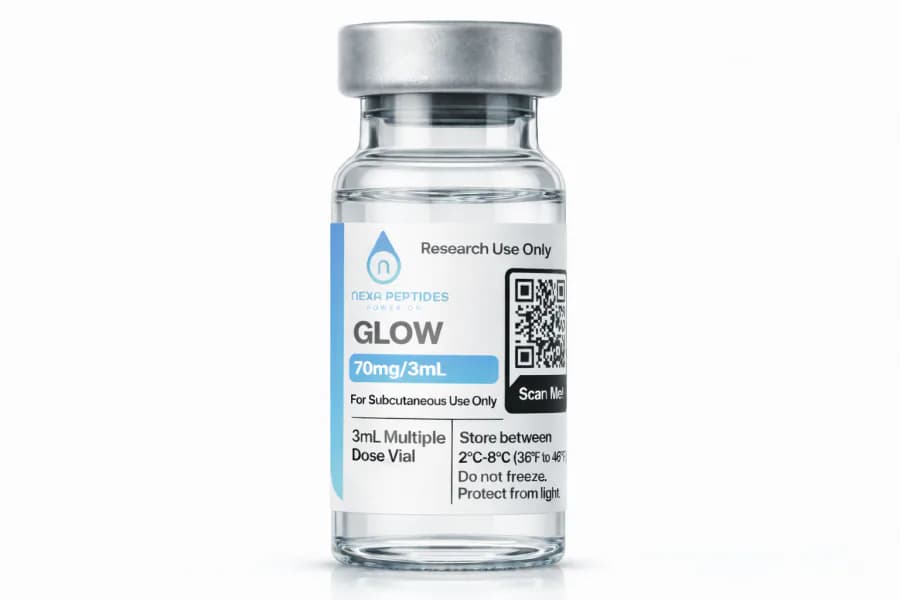
Skin & Hair
Glow 70mg
$100.00
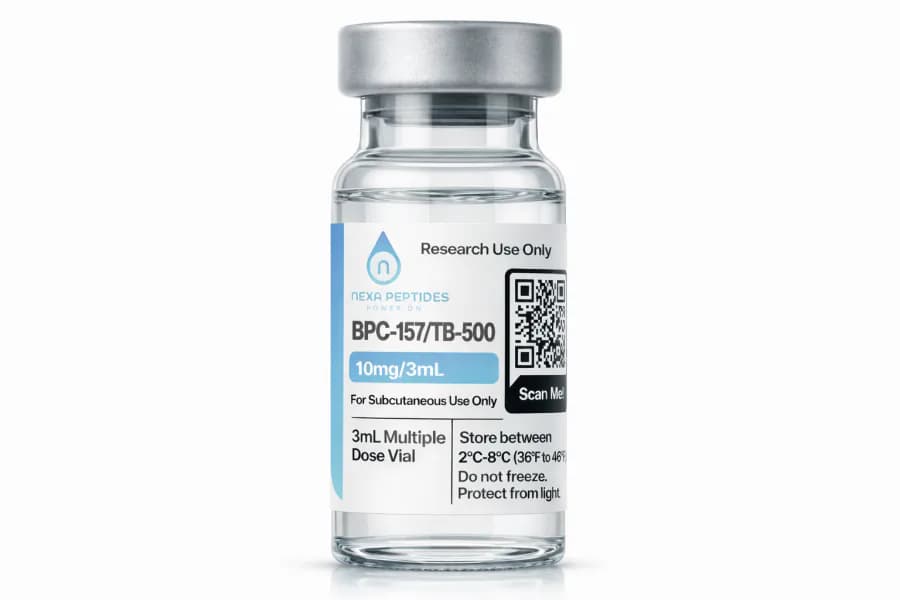
Recovery
Wolverine Stack - 10mg (BPC-157 + TB-500)
$60.00
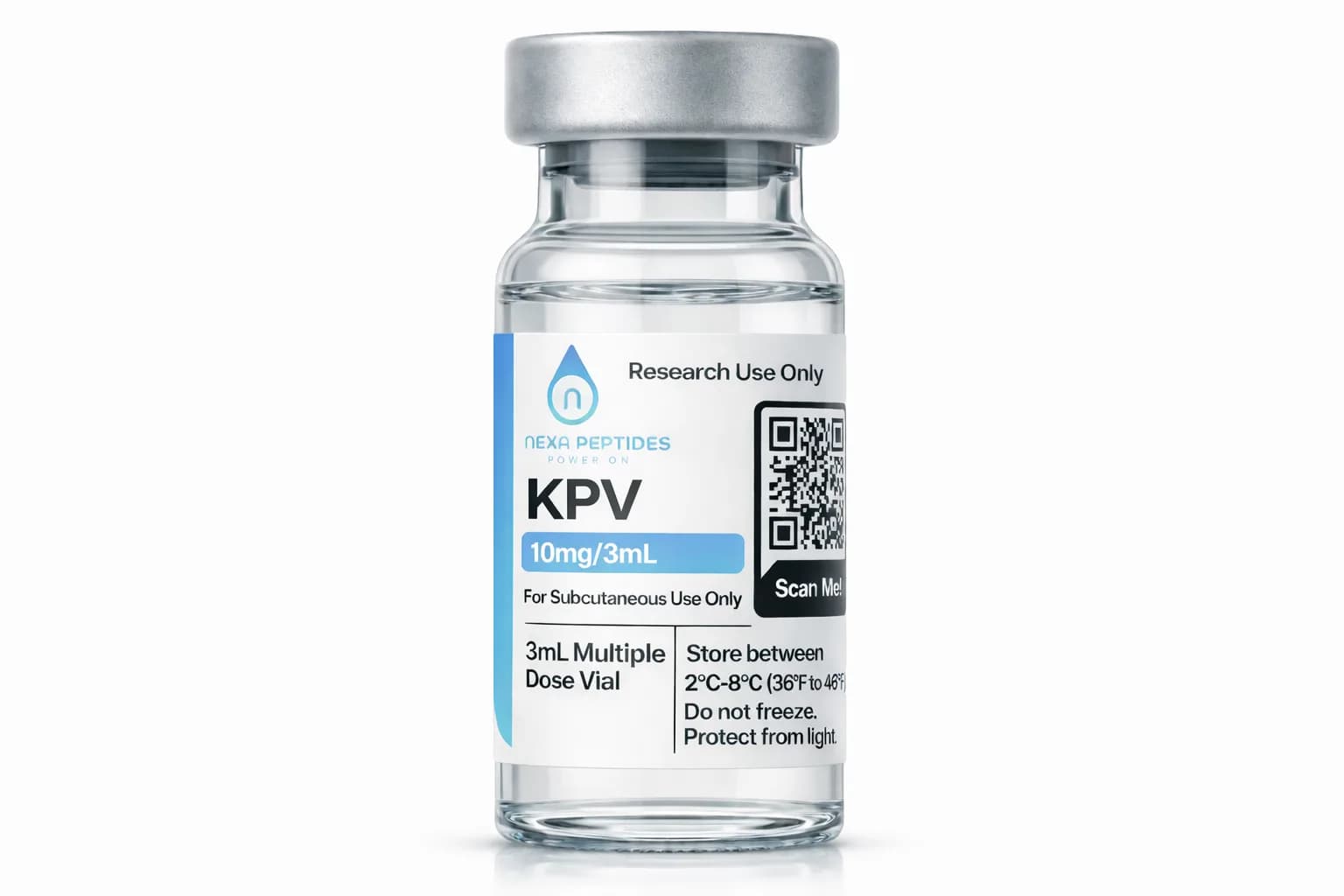
Recovery
KPV 10mg
$50.00
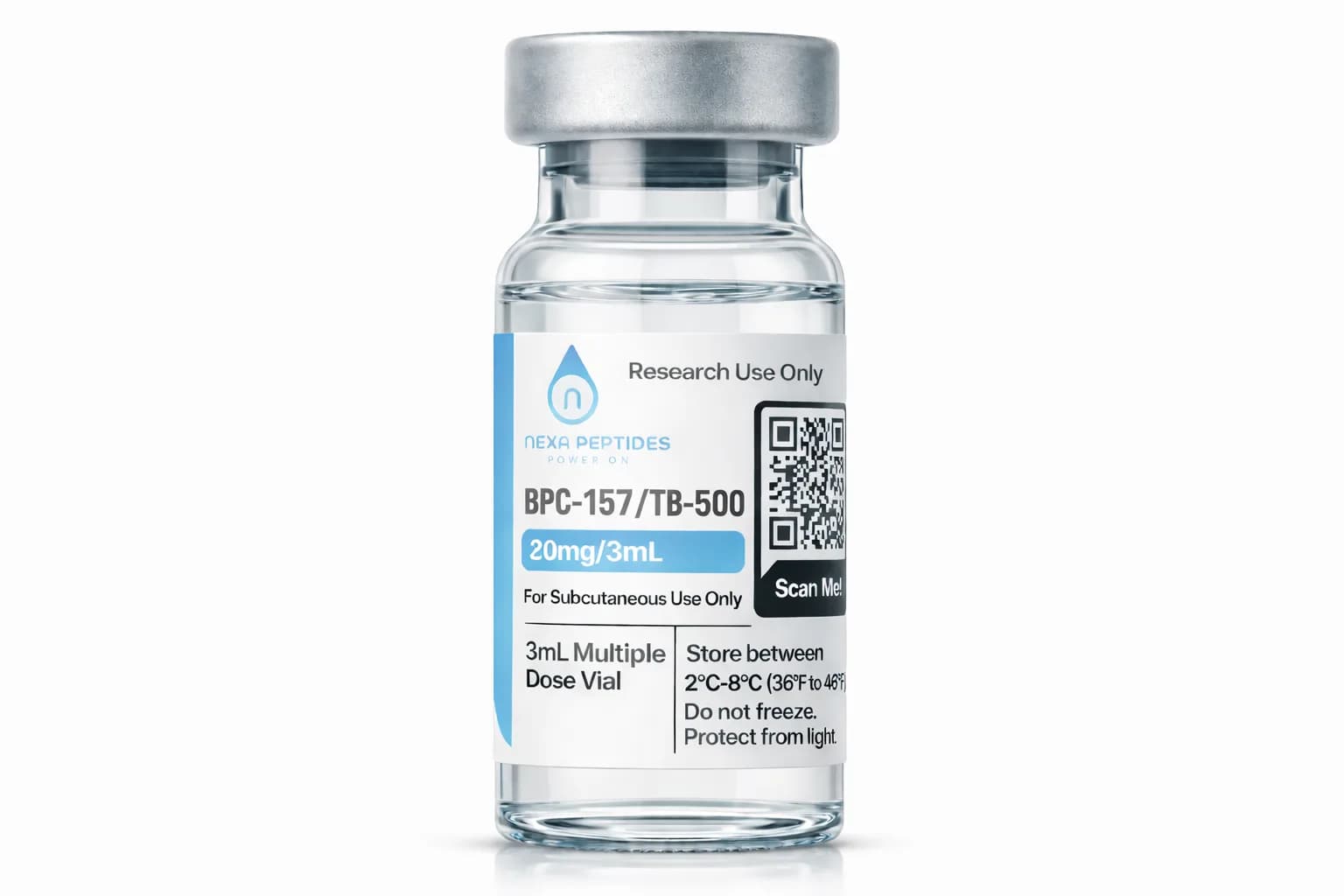
Recovery
Wolverine Stack-20mg (BPC-157+TB-500)
$100.00
Research Overview
A central focus of tissue repair peptide research is the modulation of key biological pathways and receptor systems. Many investigational peptides are observed to interact with growth factor signaling cascades. For instance, the vascular endothelial growth factor (VEGF) pathway, critical for angiogenesis, is a frequent subject of study. Peptides like BPC-157 have been investigated for their potential to upregulate VEGFR2 expression and phosphorylation, thereby promoting endothelial cell proliferation and migration in vitro. Similarly, pathways involving fibroblast growth factors (FGFs) and hepatocyte growth factor (HGF), which signal through the FGFR and c-Met receptors respectively, are explored for their roles in fibroblast activation and tissue reconstruction. Downstream of these receptors, intracellular signaling networks such as the phosphatidylinositol 3-kinase (PI3K)/Akt pathway, which governs cell survival and proliferation, and the mitogen-activated protein kinase (MAPK)/ERK pathway, crucial for cell motility and gene expression, are primary targets for mechanistic studies.
To evaluate the biological activity of these peptides, researchers employ a range of standardized preclinical models. In vitro assays provide the initial mechanistic insights. These include scratch wound assays using cell monolayers (e.g., keratinocytes, fibroblasts) to quantify cell migration, transwell assays to measure chemotaxis, and proliferation assays (e.g., MTT, BrdU incorporation). More complex systems like 3D organoid cultures or co-culture models are increasingly used to better mimic the tissue microenvironment. For in vivo investigations, rodent models are predominant. Common examples include full-thickness excisional or incisional wound models in mice or rats to study dermal healing, cardiotoxin- or contusion-induced muscle injury models to assess skeletal muscle regeneration, and ligation models of the femoral or coronary arteries to study recovery from ischemia. These models allow for histological, immunohistochemical, and molecular analysis of tissue responses, providing a systems-level understanding of a peptide's effects.
Several distinct categories of peptides are under active investigation. Thymosin-derived peptides, most notably Thymosin Beta-4 (Tβ4) and its active fragments, are studied for their role in promoting cell migration, particularly of endothelial cells and keratinocytes, and for their anti-inflammatory properties, partly through the sequestration of G-actin. Another prominent category is the Body Protective Compound (BPC) family, with BPC-157 being the most researched. Its mechanism is not fully elucidated but is hypothesized to involve modulation of the nitric oxide (NO) system and interaction with growth factor signaling to accelerate angiogenesis and granulation tissue formation. Copper-binding peptides, such as Gly-L-His-L-Lys (GHK-Cu), are investigated for their ability to remodel the extracellular matrix by influencing the synthesis and degradation of collagen and elastin, as well as for their antioxidant and anti-inflammatory actions. Finally, peptides related to the growth hormone (GH) axis, including GH secretagogues and GH fragments, are explored for their potential to stimulate tissue growth and repair, often mediated through the systemic or local production of Insulin-like Growth Factor 1 (IGF-1).
Despite significant progress, numerous open questions remain at the forefront of the field. The precise molecular receptors for many peptides, including the widely studied BPC-157, remain unconfirmed, hindering a complete mechanistic understanding. The potential for synergistic or antagonistic interactions when combining different peptides in a single experimental model is a complex area requiring rigorous investigation. Differentiating the effects of systemic versus localized administration is another critical challenge, as is the development of advanced delivery systems (e.g., hydrogels, nanoparticles) to improve peptide stability, bioavailability, and target-site retention in preclinical models. Furthermore, the long-term molecular consequences and potential off-target effects of sustained peptide administration in chronic injury models are not well understood. Addressing these questions is essential for advancing the fundamental science of peptide-mediated tissue repair.