

Weight Management Research Peptides
The investigation of weight management at the molecular level explores the intricate neuroendocrine networks that govern energy homeostasis, appetite, and substrate metabolism. This research area is critical for understanding the fundamental biology behind metabolic regulation, a field of intense scientific inquiry due to the widespread relevance of metabolic dysregulation in various preclinical models. The central goal is to elucidate the signaling pathways, receptor dynamics, and hormonal crosstalk that maintain metabolic balance. Synthetic peptides, designed as precise agonists, antagonists, or modulators of key receptors like the GLP-1R, MC4R, and GHSR, serve as indispensable tools for this research. They enable investigators to systematically probe these complex systems in vitro and in animal models. By providing high-purity, sequence-verified ligands, researchers can conduct reproducible experiments to map signaling cascades and identify novel points of intervention for further study. All compounds are supplied for Research Use Only, facilitating foundational biological discovery.
Peptides in this research area
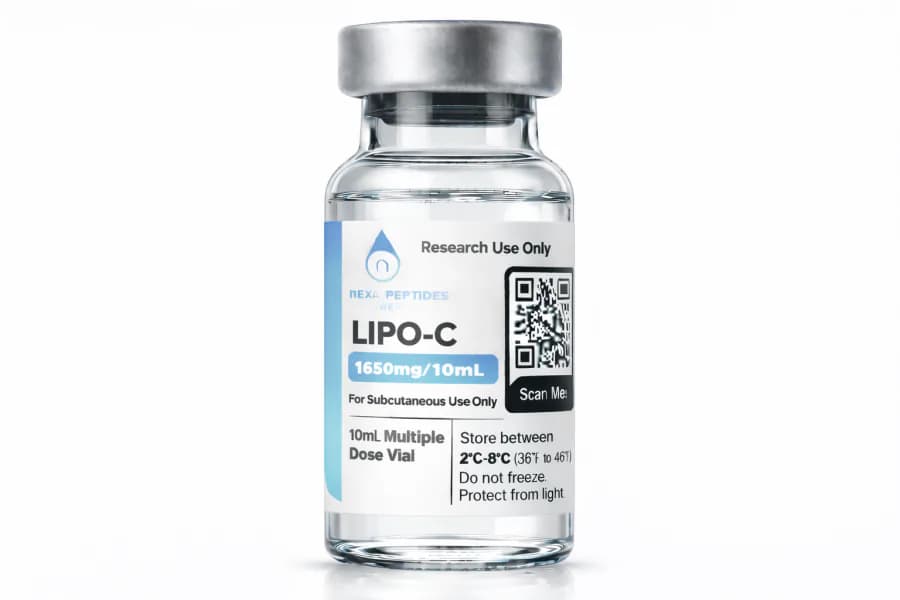
Weight Loss
Lipo-C (B12 & Amino Mix) 1650 mg
$55.00
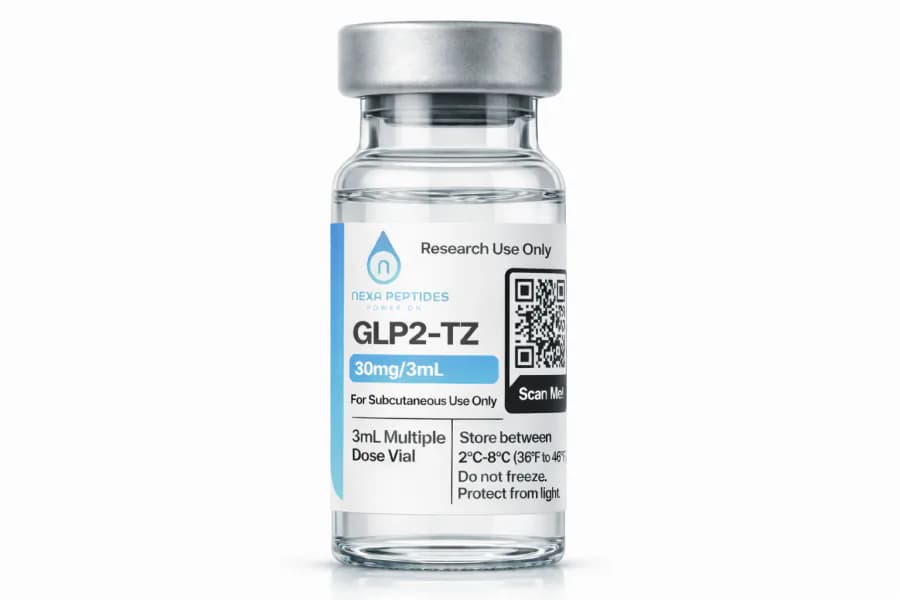
Weight Loss
Tirzepatide- 30mg
$200.00
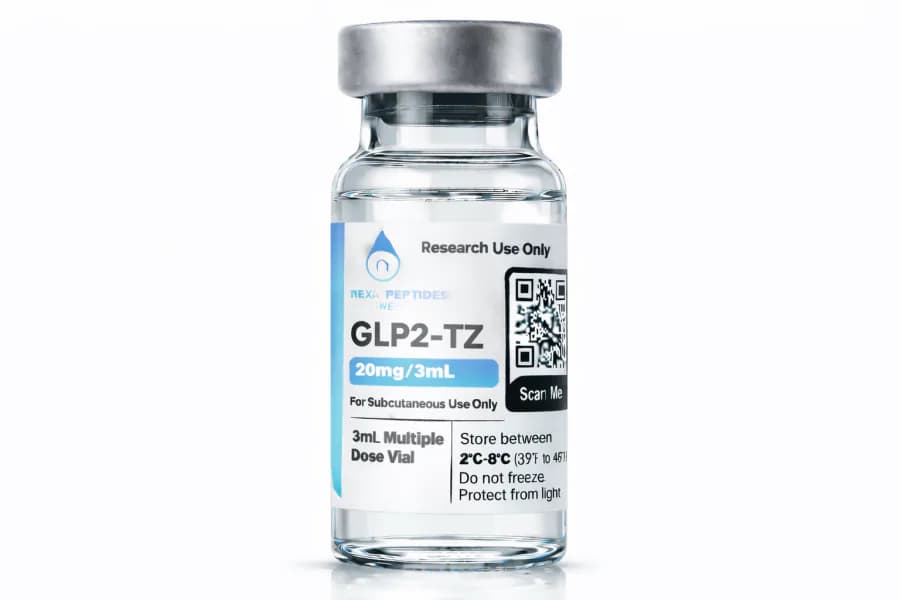
Weight Loss
Tirzepatide - 20mg
$150.00
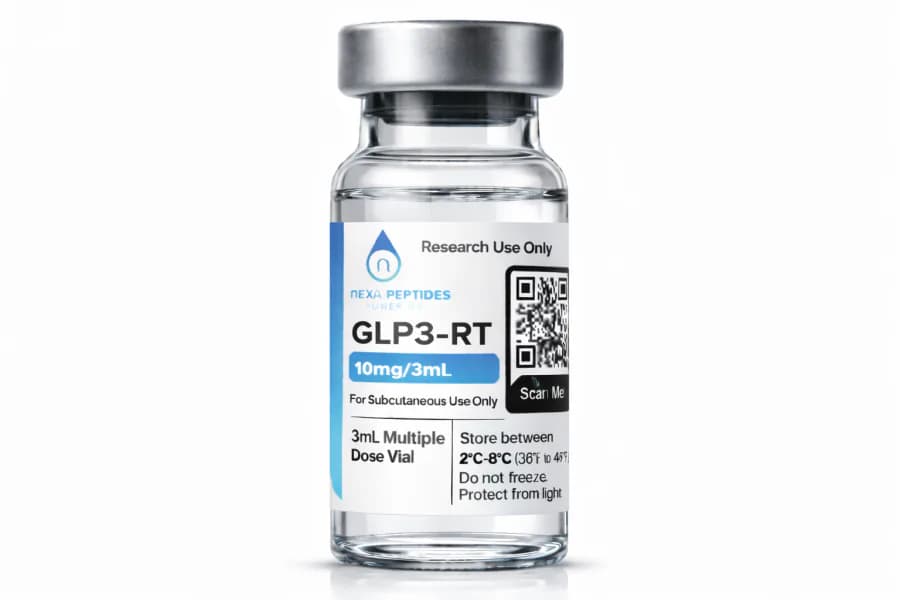
Weight Loss
Retatrutide - 10mg
$100.00
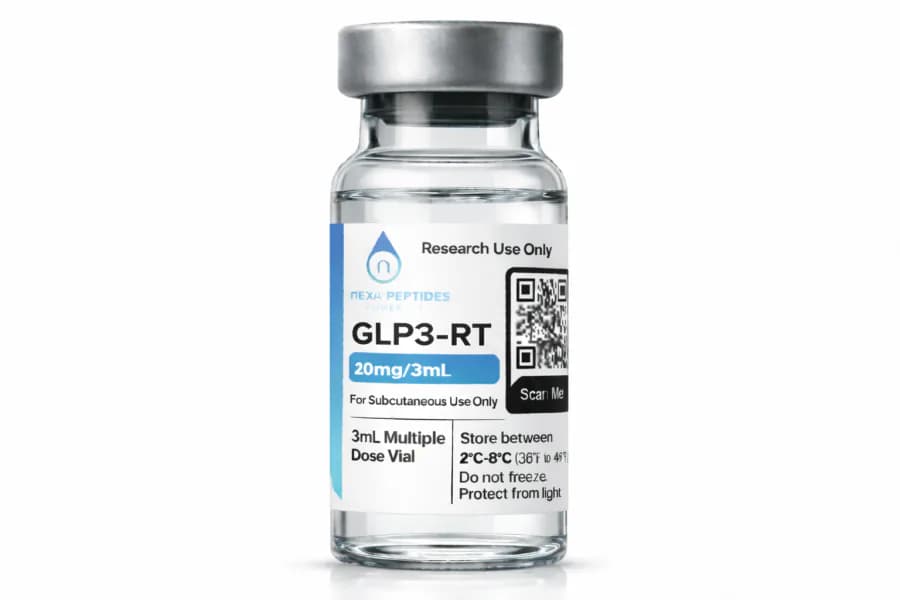
Weight Loss
Retatrutide - 20mg
$175.00
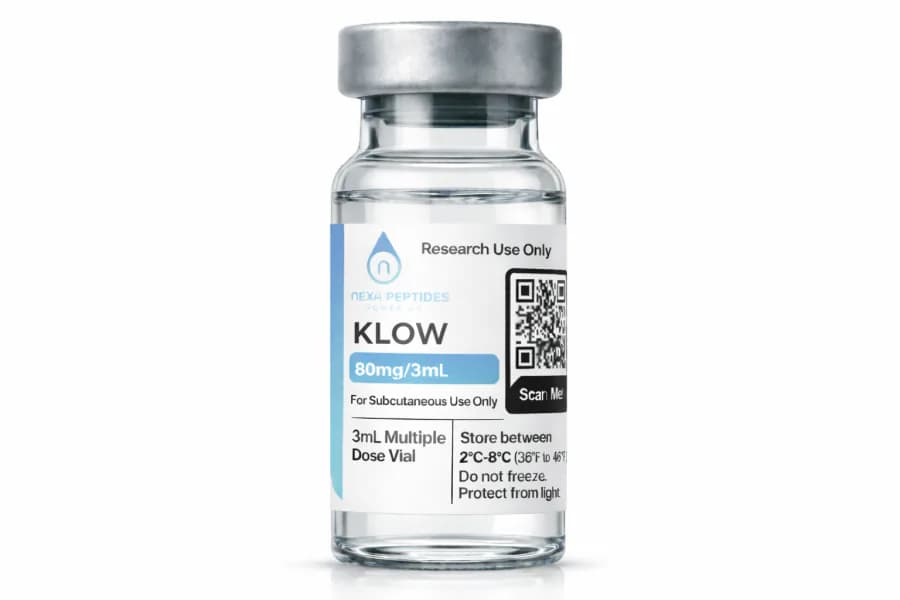
Skin & Hair
KLOW Peptide Blend - 80mg
$125.00
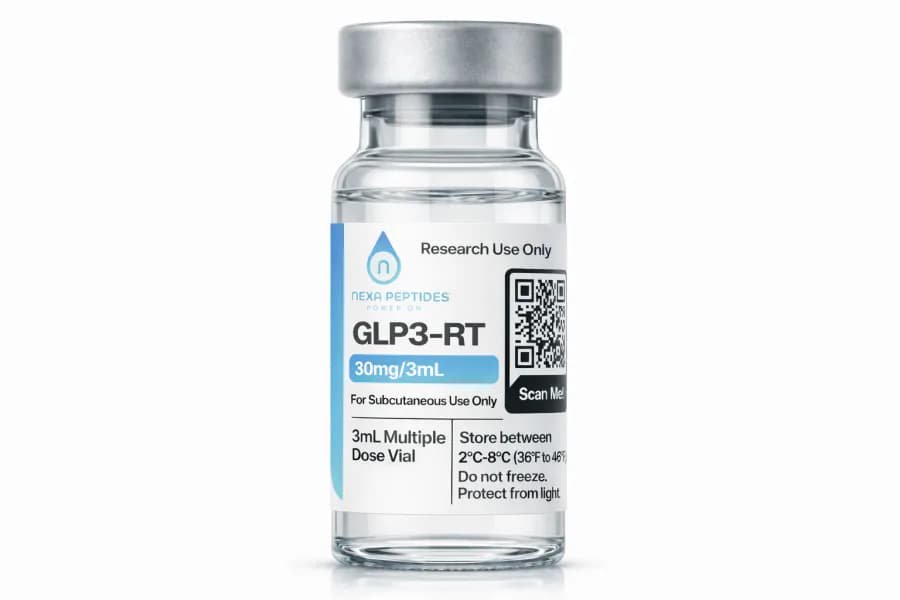
Weight Loss
Retatrutide - 30mg
$225.00

Weight Loss
Cargrilintide 10mg
$100.00
Research Overview
The molecular investigation into weight management centers on several key biological pathways and receptors that form a complex regulatory network. A primary axis is the central leptin-melanocortin system. Adipocyte-derived leptin signals energy stores to the hypothalamus, activating pro-opiomelanocortin (POMC) neurons. These neurons process POMC into peptides, notably α-melanocyte-stimulating hormone (α-MSH), a potent agonist of the melanocortin-4 receptor (MC4R). MC4R activation is a critical anorexigenic signal, reducing food intake and increasing energy expenditure. Conversely, leptin inhibits orexigenic Agouti-related peptide (AgRP)/neuropeptide Y (NPY) neurons, which antagonize MC4R signaling. Another pivotal system is the incretin pathway, mediated by gut-derived hormones GLP-1 and GIP. GLP-1, acting on its G-protein coupled receptor (GLP-1R) in the brain, pancreas, and gut, enhances satiety, slows gastric emptying, and potentiates glucose-dependent insulin secretion. The role of GIP is more complex, but research into dual GLP-1R/GIPR agonists has revealed powerful synergistic effects on metabolic control. Finally, the ghrelin pathway, driven by the stomach-secreted hormone ghrelin, potently stimulates appetite by activating the growth hormone secretagogue receptor (GHSR) in the hypothalamus.
To dissect these pathways, researchers employ a range of established preclinical models. The most common are diet-induced obesity (DIO) rodent models, where C57BL/6J mice or Sprague-Dawley rats are fed high-fat diets to recapitulate key features of metabolic syndrome. These models are invaluable for assessing the efficacy of peptide modulators on adiposity, glucose tolerance, and insulin sensitivity. Genetically modified models are also crucial for mechanism-based inquiries. For instance, *db/db* mice, which lack a functional leptin receptor, and *ob/ob* mice, which are leptin-deficient, are foundational for studying the leptin axis. Similarly, MC4R knockout mice are used to isolate the specific contributions of the melanocortin pathway. For later-stage preclinical validation, non-human primates (NHPs) are sometimes used due to their closer physiological and metabolic homology to humans. At the cellular level, in vitro assays using cell lines (e.g., HEK293) transfected to express specific receptors like GLP-1R or MC4R are essential for characterizing ligand binding affinities, potency (EC50), and downstream signaling events like cAMP accumulation.
Research in this field utilizes several distinct categories of synthetic peptides as investigative tools. GLP-1 receptor agonists, such as Semaglutide and Liraglutide, are widely used to study the effects of sustained incretin receptor activation. Melanocortin system modulators, including MC4R agonists like Setmelanotide, allow for direct probing of the central satiety pathway originating from POMC neurons. To investigate the orexigenic signals, ghrelin receptor (GHSR) agonists like Ipamorelin or GHRP-6 are employed to simulate the hunger-inducing effects of endogenous ghrelin. Conversely, amylin analogues, such as Cagrilintide, are used to study the satiety-promoting effects mediated by amylin receptors in the brainstem. The forefront of this research involves the use of multi-receptor agonists. These are single molecules engineered to activate two or more distinct receptor systems simultaneously, such as dual GLP-1R/GIPR agonists (e.g., Tirzepatide) or tri-agonists that also target the glucagon receptor. These tools enable the investigation of potential synergistic interactions between metabolic pathways.
Despite significant progress, several fundamental questions remain open in the field. A major area of investigation is delineating the relative contributions of central versus peripheral receptor populations to the overall metabolic effects of peptide agonists. For example, is the weight-reducing effect of a GLP-1R agonist primarily driven by action on hypothalamic neurons or by its effects on gastric emptying and peripheral tissues? Another key question relates to receptor trafficking and the potential for biased agonism. Researchers are exploring how different ligands can stabilize distinct receptor conformations, leading to preferential activation of certain downstream signaling pathways and potentially mitigating desensitization or adverse effects. The molecular basis for the synergy observed with multi-receptor agonists is also under intense study. Finally, a significant challenge is understanding how to modulate these pathways to promote maximal fat mass loss while preserving lean muscle mass, a critical factor for overall metabolic health. Investigating peptide combinations that pair anorexigenic signals with muscle-anabolic signals is a promising avenue for future research.