

Metabolic Research Peptides
Metabolic research investigates the complex biochemical processes governing energy homeostasis, storage, and expenditure within biological systems. This field is foundational to understanding the molecular machinery that maintains physiological balance, from intracellular nutrient sensing to systemic endocrine signaling. In the scientific literature, this area is critical for elucidating the etiology of metabolic dysregulation in various preclinical models. The study of metabolic peptides—endogenous signaling molecules and their synthetic analogs—provides researchers with highly specific tools to probe key regulatory nodes, such as insulin signaling, lipolysis, gluconeogenesis, and appetite control. By examining the interaction of these peptides with their cognate receptors and downstream pathways, investigators can map the intricate networks that govern cellular and whole-organism metabolism. This fundamental research is essential for building a comprehensive model of energy dynamics, providing a basis for further investigation into complex physiological states. All compounds are intended for research use only.
Peptides in this research area
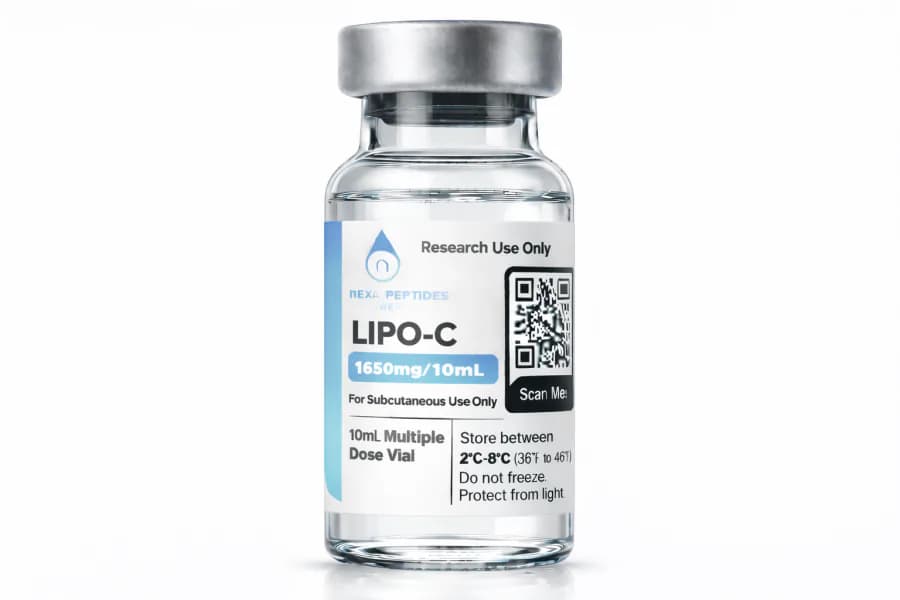
Weight Loss
Lipo-C (B12 & Amino Mix) 1650 mg
$55.00
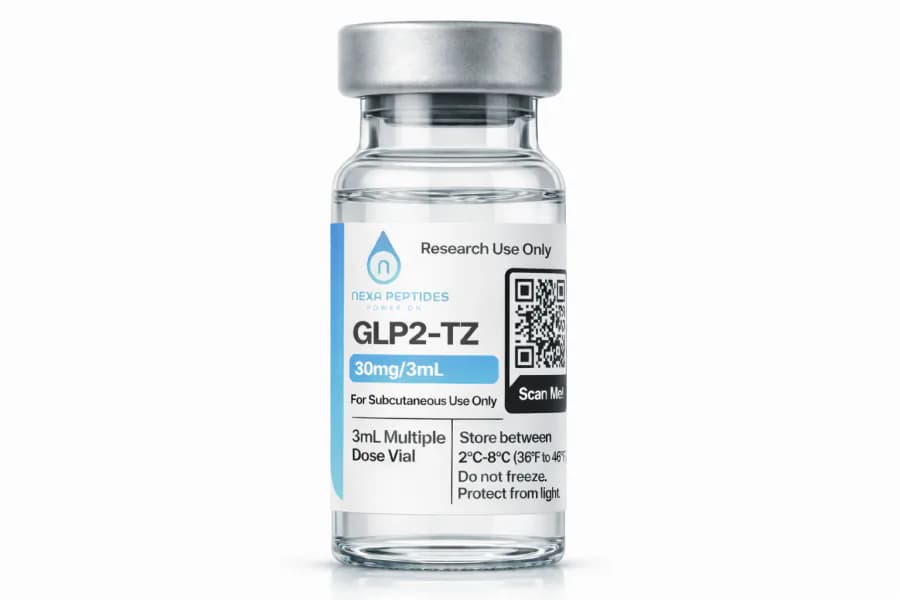
Weight Loss
Tirzepatide- 30mg
$200.00
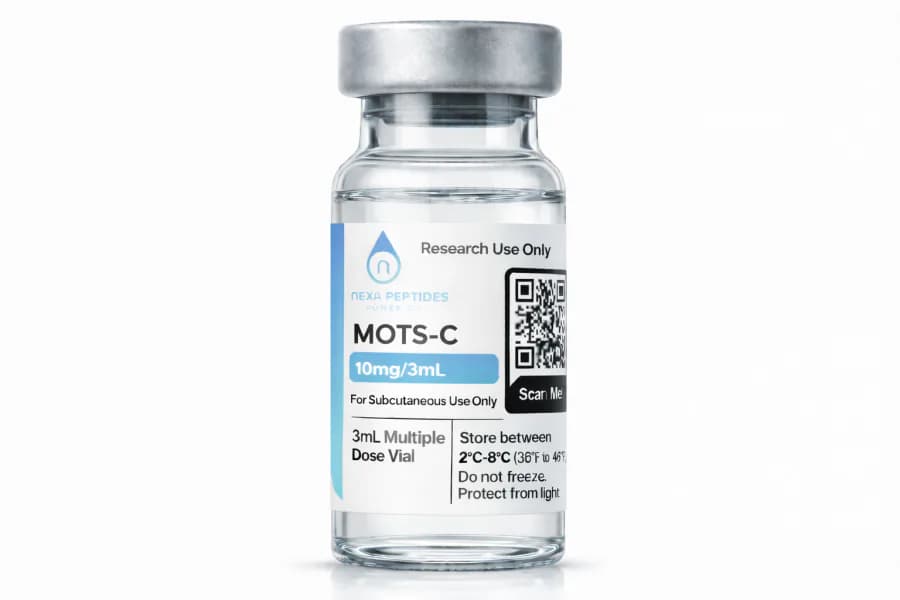
Anti-Aging
MOTS-c - 10mg
$50.00
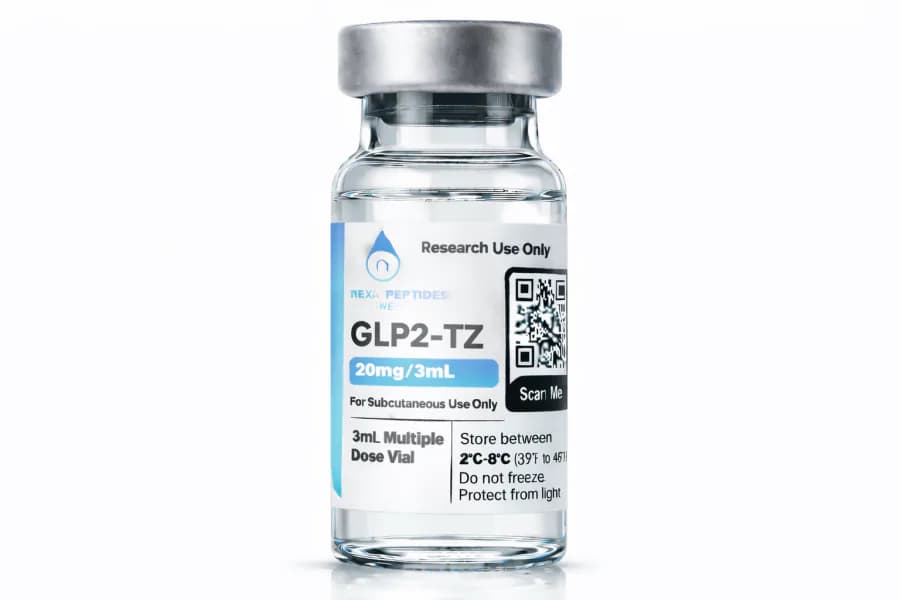
Weight Loss
Tirzepatide - 20mg
$150.00
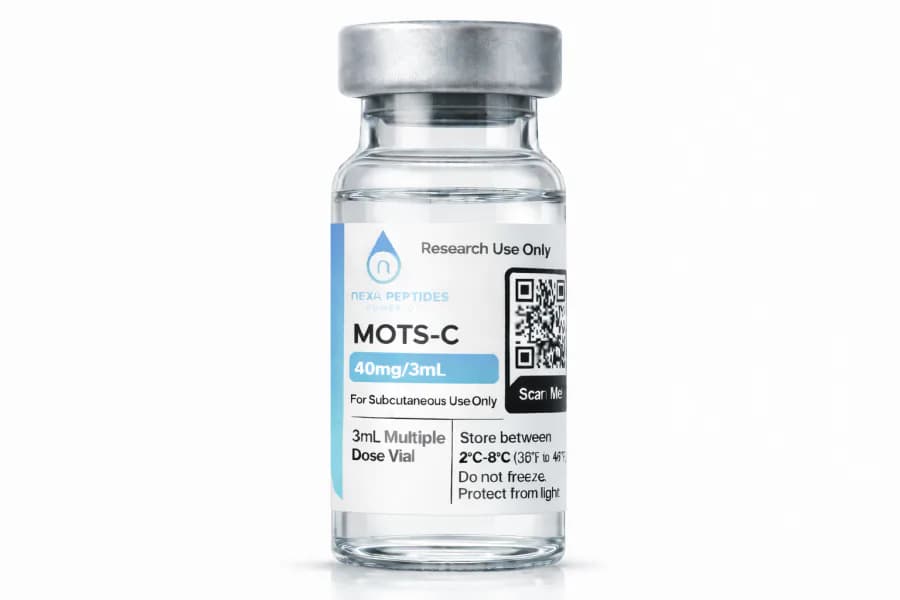
Anti-Aging
MOTS-c - 20mg
$90.00
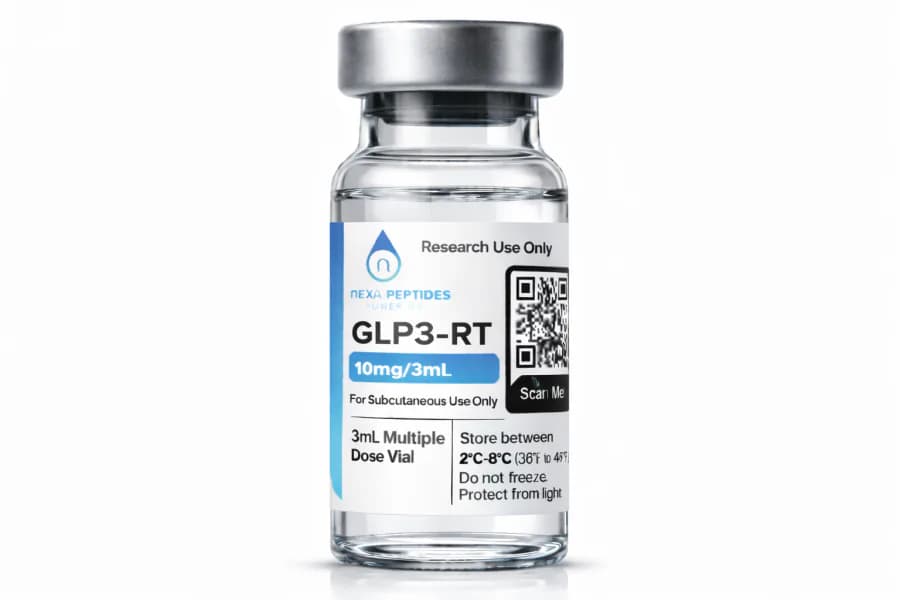
Weight Loss
Retatrutide - 10mg
$100.00
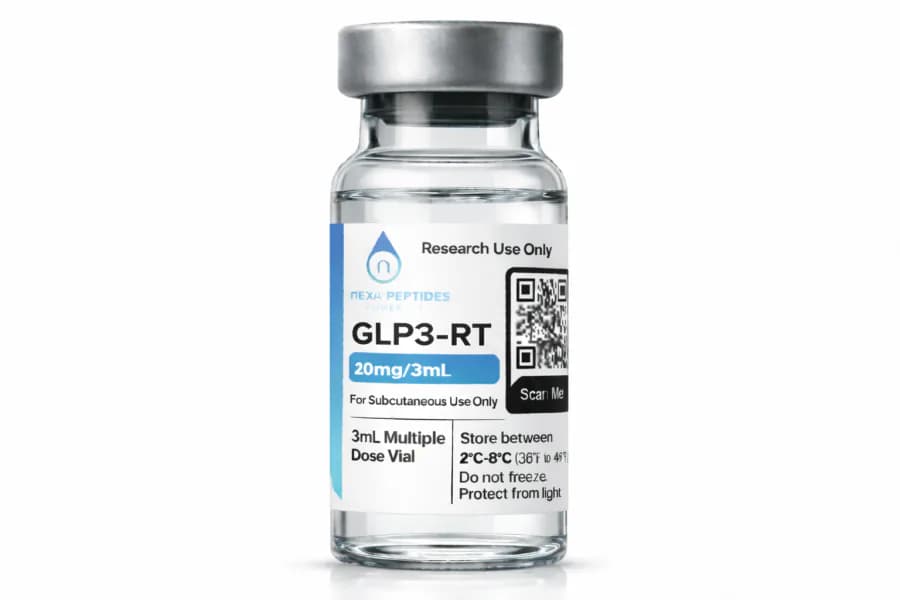
Weight Loss
Retatrutide - 20mg
$175.00
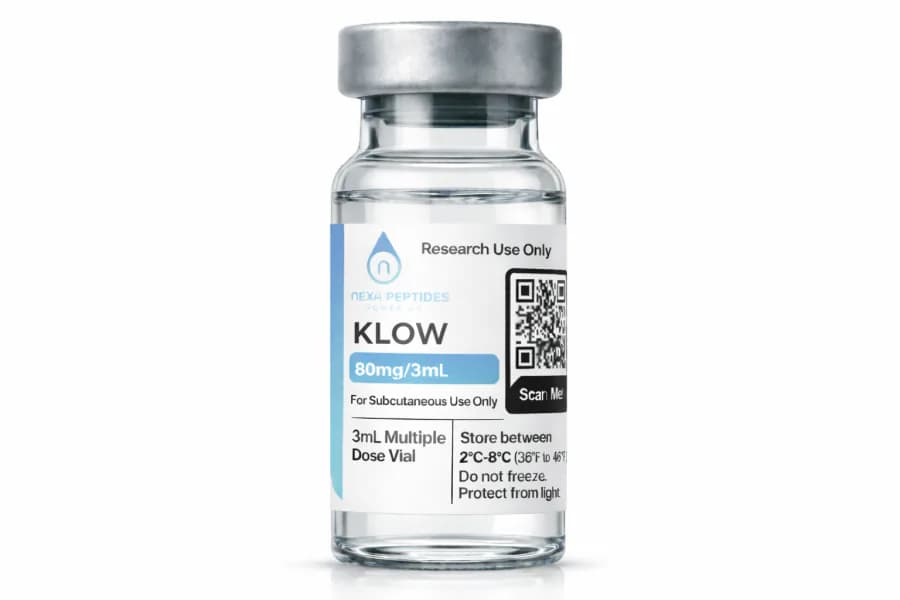
Skin & Hair
KLOW Peptide Blend - 80mg
$125.00
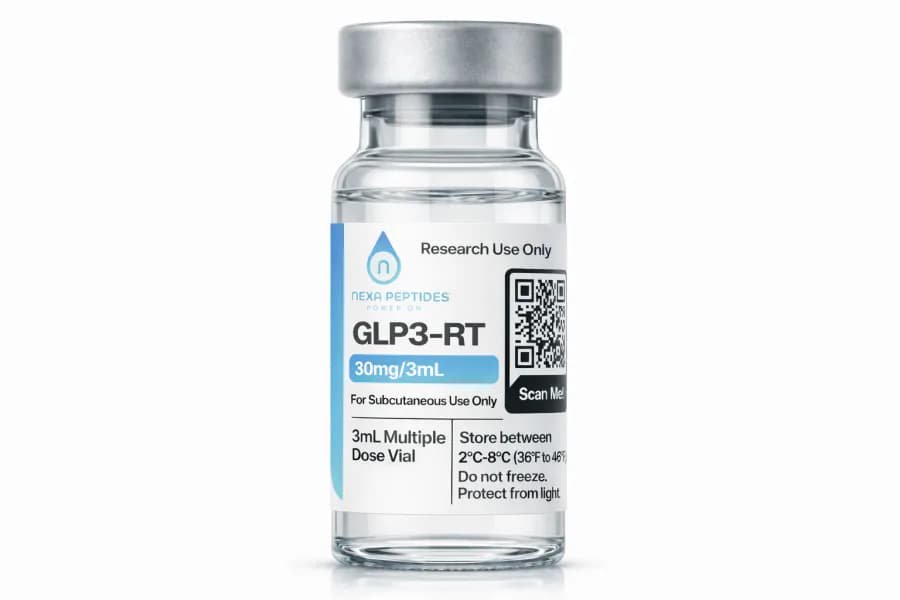
Weight Loss
Retatrutide - 30mg
$225.00
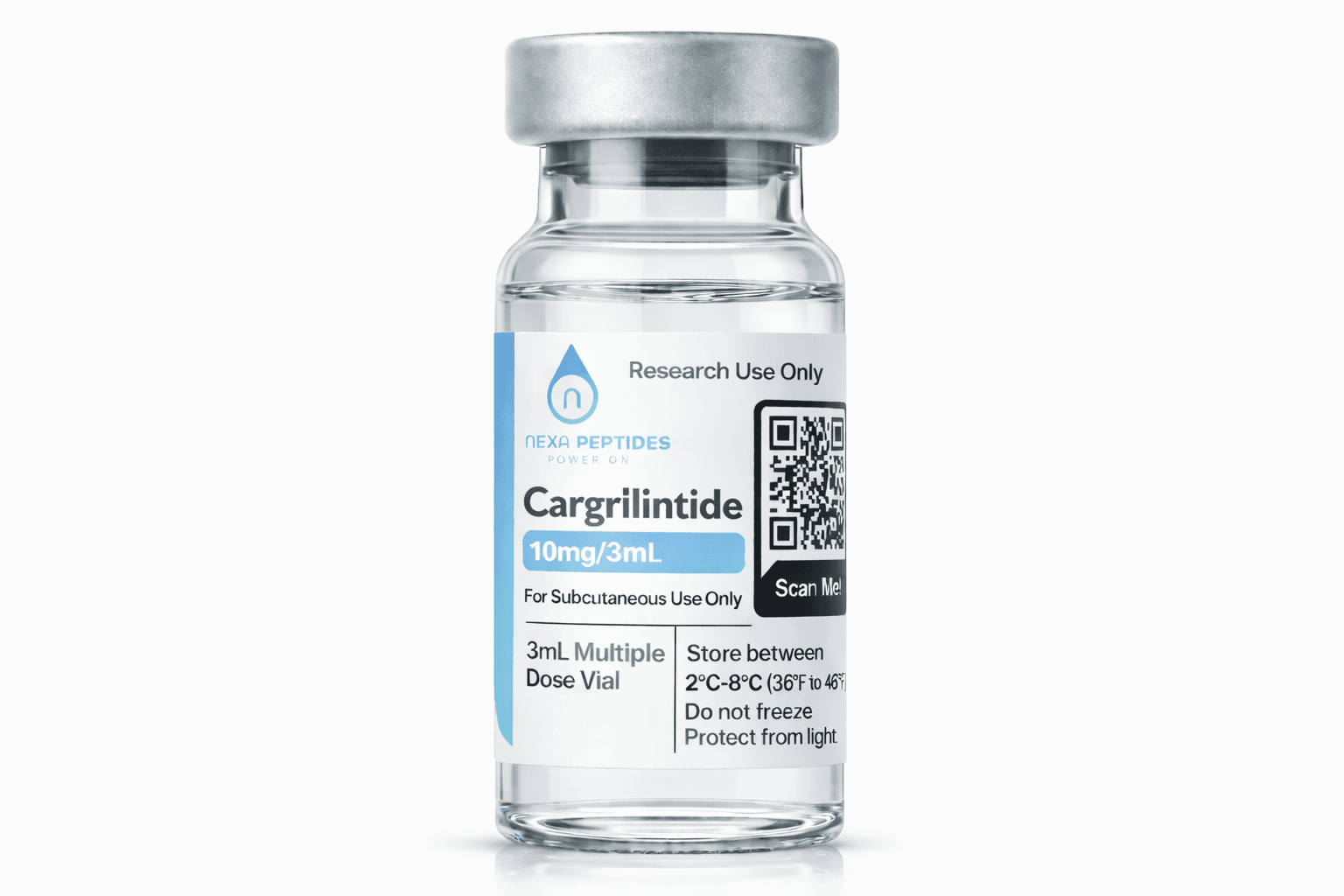
Weight Loss
Cargrilintide 10mg
$100.00
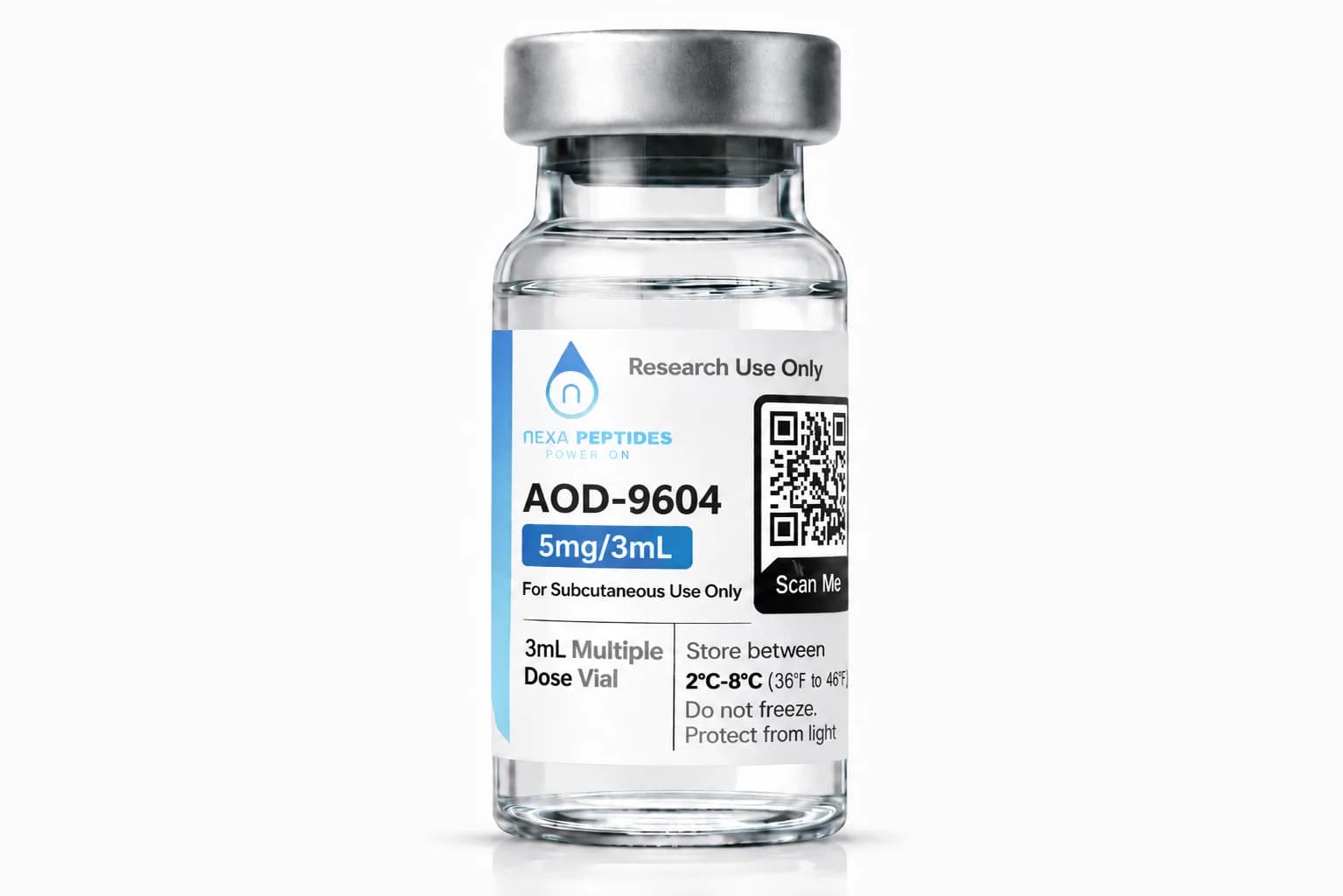
Anti Aging
AOD-9604
$45.00
Research Overview
The investigation of metabolic regulation is centered on several critical biological pathways and receptors, primarily involving G-protein coupled receptors (GPCRs) that translate extracellular peptide signals into intracellular responses. The incretin system is a major focus, featuring the glucagon-like peptide-1 receptor (GLP-1R) and the glucose-dependent insulinotropic polypeptide receptor (GIPR). Upon ligand binding, these receptors activate adenylyl cyclase, increasing intracellular cyclic AMP (cAMP) levels and activating Protein Kinase A (PKA). This cascade is fundamental to potentiating glucose-stimulated insulin secretion in pancreatic beta-cells. Another key target is the ghrelin receptor (GHSR-1a), or growth hormone secretagogue receptor, which, when activated by ghrelin, signals through Gq/11 proteins to increase intracellular calcium, stimulating appetite and growth hormone release. In the central nervous system, the melanocortin system, particularly the melanocortin-4 receptor (MC4R), plays a pivotal role in regulating energy expenditure and food intake. Intracellularly, pathways like the AMP-activated protein kinase (AMPK) and the mechanistic target of rapamycin (mTOR) act as critical energy sensors, integrating signals to control anabolic and catabolic processes.
To study these pathways, researchers employ a variety of established preclinical models. For in vivo investigations, diet-induced obesity (DIO) models, typically using C57BL/6J mice on a high-fat diet, are standard for simulating metabolic stress. Genetic models are also indispensable, including leptin-deficient (ob/ob) and leptin receptor-deficient (db/db) mice, which provide insight into the consequences of specific pathway disruptions. For in vitro studies, specific cell lines are used to isolate molecular mechanisms. 3T3-L1 preadipocytes are differentiated into mature adipocytes to study adipogenesis, lipolysis, and insulin sensitivity. Pancreatic beta-cell lines such as MIN6 and INS-1 are crucial for insulin secretion assays, while C2C12 myotubes and HepG2 hepatocytes are used to investigate glucose uptake and hepatic glucose production, respectively.
Several categories of research peptides are utilized to probe these systems. Incretin mimetics are a major class, encompassing selective GLP-1R agonists, GIPR agonists, and novel dual- or tri-agonists that target GLP-1R, GIPR, and the glucagon receptor (GCGR) simultaneously. These tools allow for systematic investigation into the synergistic potential of these pathways. Ghrelin receptor modulators, including agonists (growth hormone releasing peptides or GHRPs) and inverse agonists, are used to dissect the regulation of appetite and pituitary function. Analogs of other endogenous hormones, such as amylin and peptide YY (PYY), are studied for their roles in satiety and gastric emptying. Furthermore, ligands for the melanocortin system, such as MC4R agonists, are employed in neuroscience research to explore the central regulation of energy balance.
Despite significant progress, numerous open questions remain in the field, driving ongoing research. A primary area of investigation is the mechanism of biased agonism at GPCRs like the GLP-1R, where different ligands can stabilize distinct receptor conformations, leading to preferential activation of specific downstream signaling pathways (e.g., cAMP vs. β-arrestin). Understanding the molecular basis of receptor desensitization and downregulation following chronic agonist exposure in various cell types is another critical challenge. The potential for crosstalk between different metabolic signaling pathways, such as the interaction between incretin and ghrelin signaling, is an area of active exploration. Researchers are also investigating the non-canonical roles of metabolic peptides in tissues beyond their classical targets, including their effects on inflammation, cardiovascular function, and neuroprotection in relevant animal models. These lines of inquiry are essential for building a more complete and nuanced understanding of metabolic control for research purposes.